Home » Articles posted by Jean-Paul Close (Page 125)
Author Archives: Jean-Paul Close
Participative Sustainocratic learning in hospitality at School of Talents and Wellness
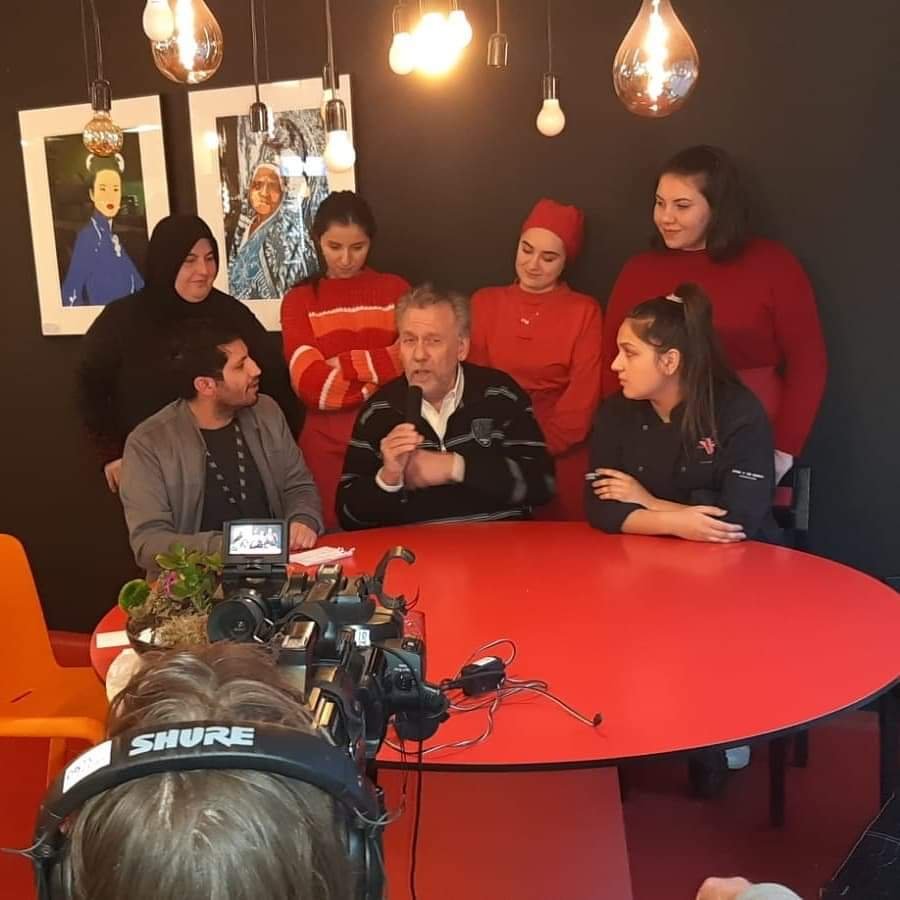
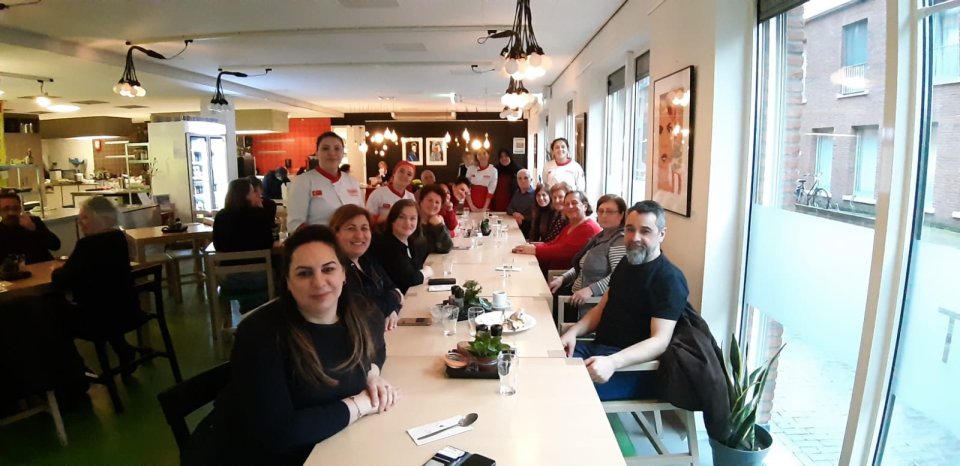
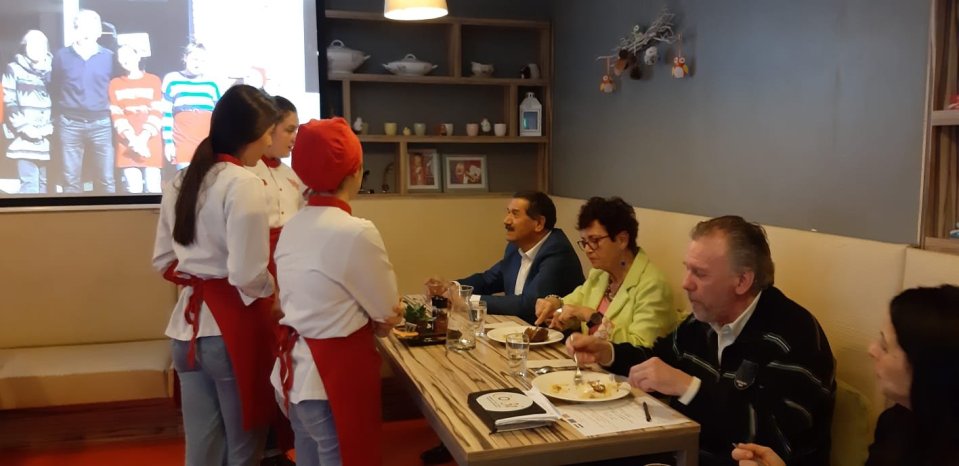
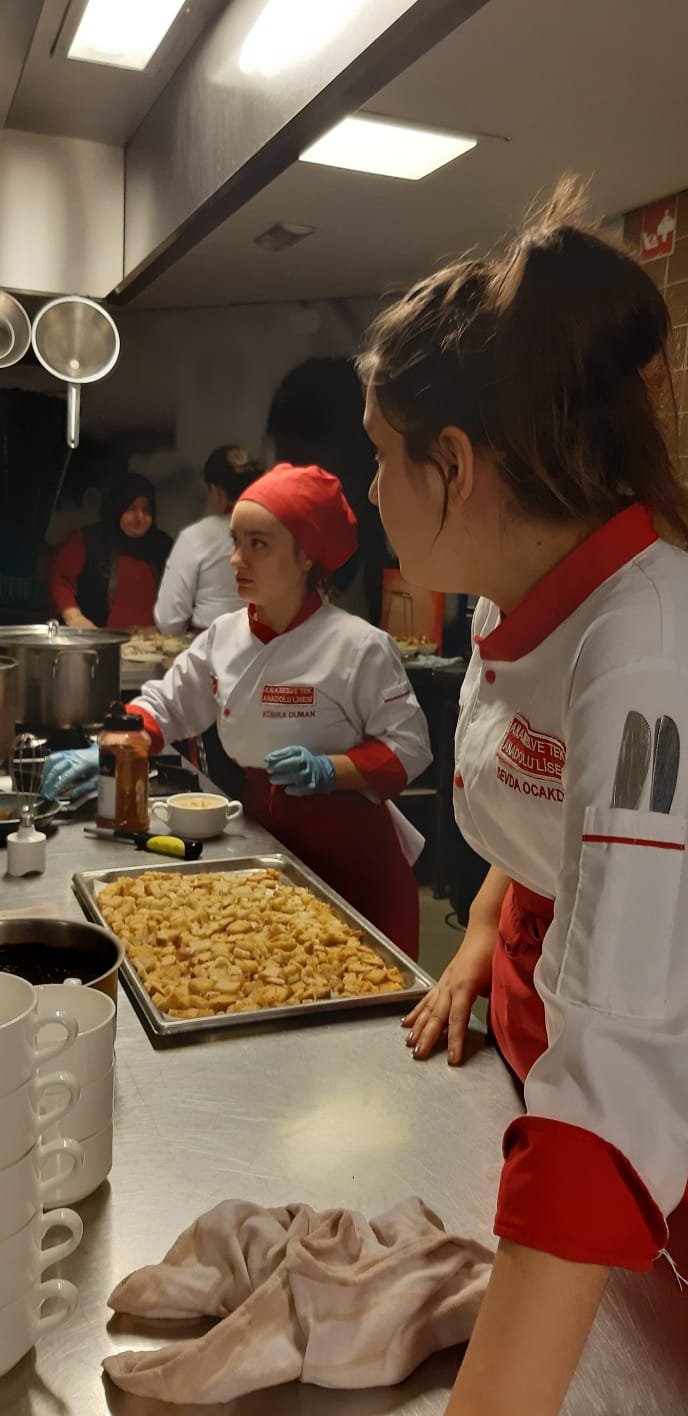
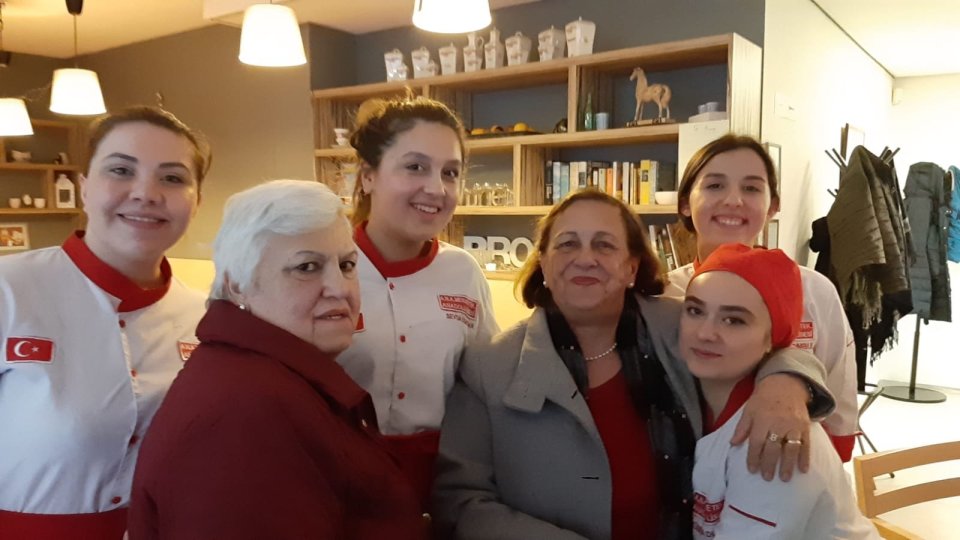
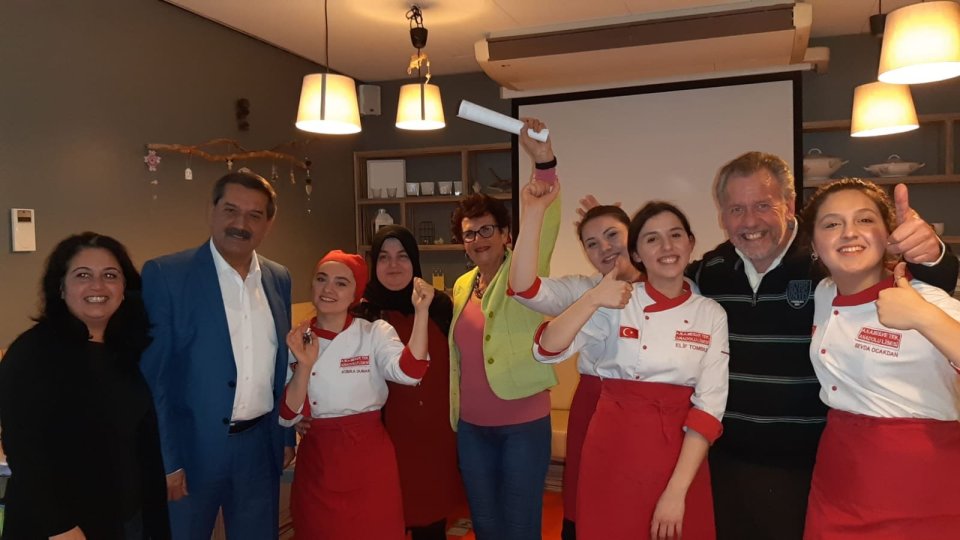
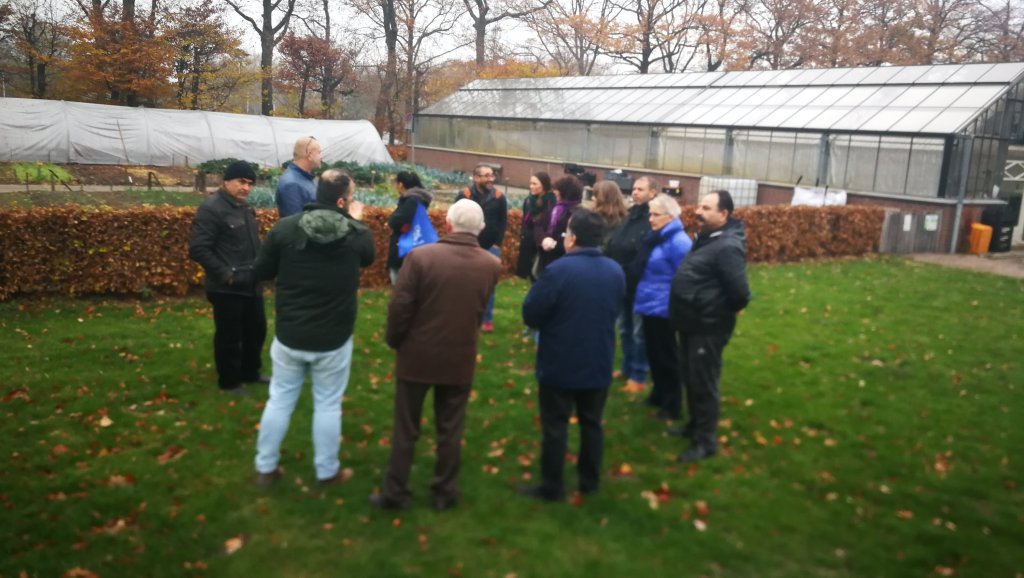
A group of four students and teacher from Turkey came over to Eindhoven (the Netherlands) through the European Erasmus+ exchange program. Their educated skills are oriented at hospitality in their high school. When visiting us in Eindhoven we take them along in the Sustainocratic thinking of developing core human values using these skills. This gives a new dimension to their awareness, job development, innovative creativity and self leadership.
The challenge we formulate in general is to look at their hospitality expertise in the context of developing human health in general. This can be seen from many perspectives. Let us mention a few:
- health through hygiene,
- healthy food purchase choices
- healthy food preparation routines
- good teamwork and relationship
- etc
More specifically we involved them into more holistic thinking. In the Netherlands we have a large community from Turkish origin. The first generation guest workers that have created a subcommunity with difficult interaction with the local Dutch. The reasons explained by the Turkish are:
- low educational background upon arrival
- came mainly to work for their own economy and sending money home
- felt different, not accepted
- language problems
- always feeling to be here temporarily and one day move back.
The sum of these arguments got them to avoid the integration effort. Now they live here for over 30 years, have their children, realize that their home country has changed and they got to belong just to their subculture only.
Even though this may have become a satisfying situation for many through accommodation there is a lot of loneliness among the groups. The core values of Sustainocracy tend to have a bonding effect, even for the more isolated communities. The participatory aspect to cocreate health, for instance, bridges differences into common areas of interest and attention.
The challenge hence for the Turkish students was to address this health issue from a social inclusion point of view. They were to use the positive invitation of food, hospitality and maybe family ties, to attract the community to our social restaurant.
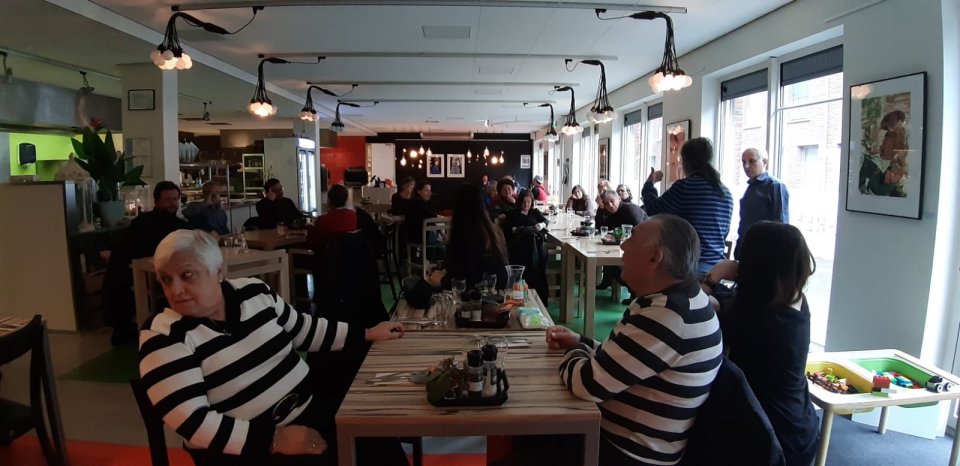
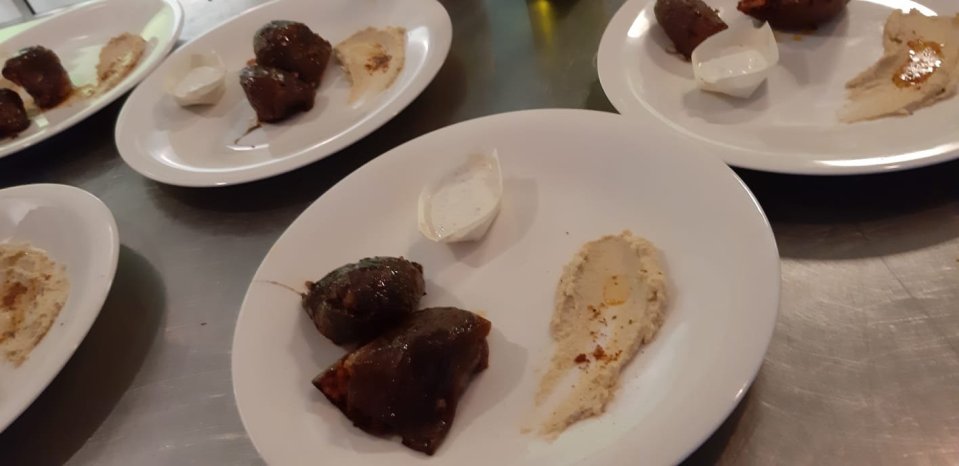
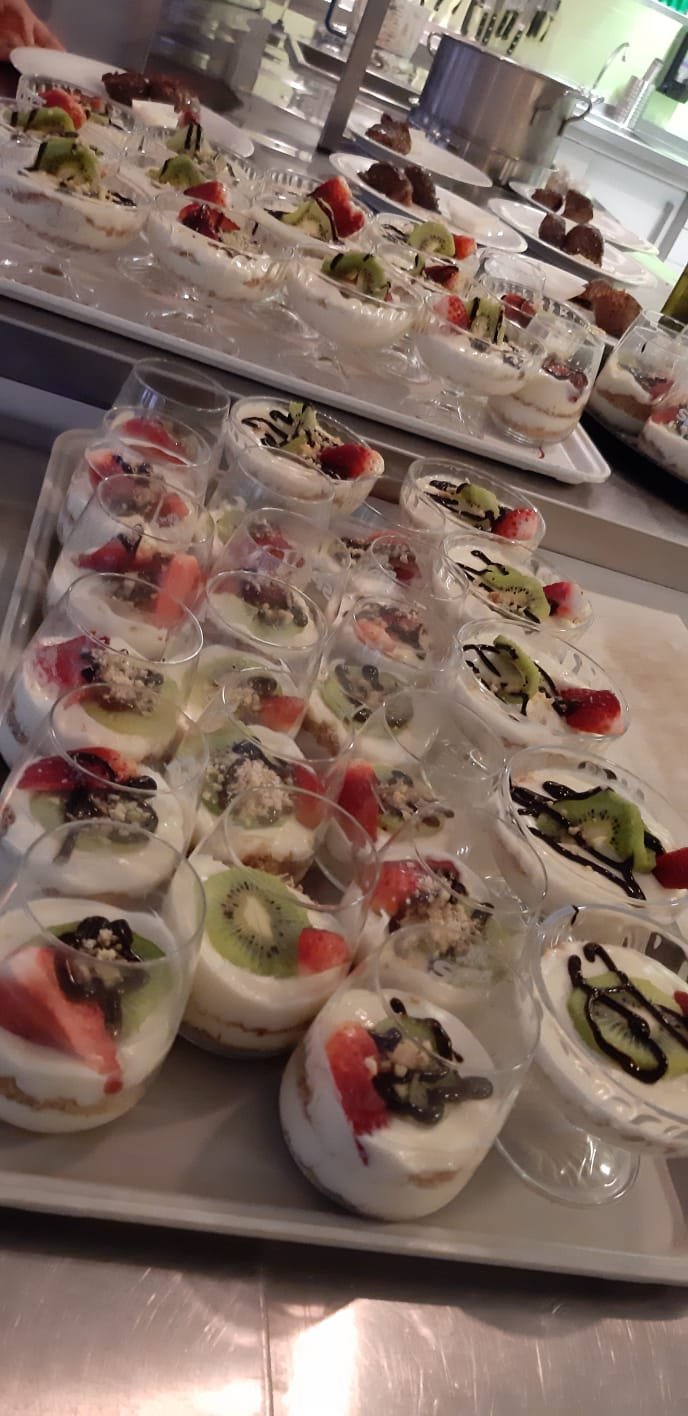
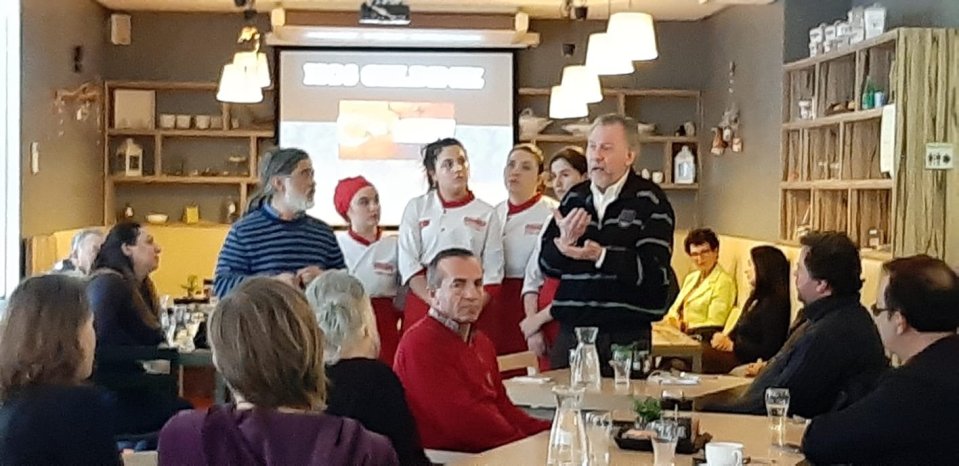
For the students it was a challenge in a country they did not know, a language they did not speak, etc. Yet they performed excellent. In the end over 30 people attended. I was invited to take a seat as jury of the food and social inclusion part.
Women’s Day 2019
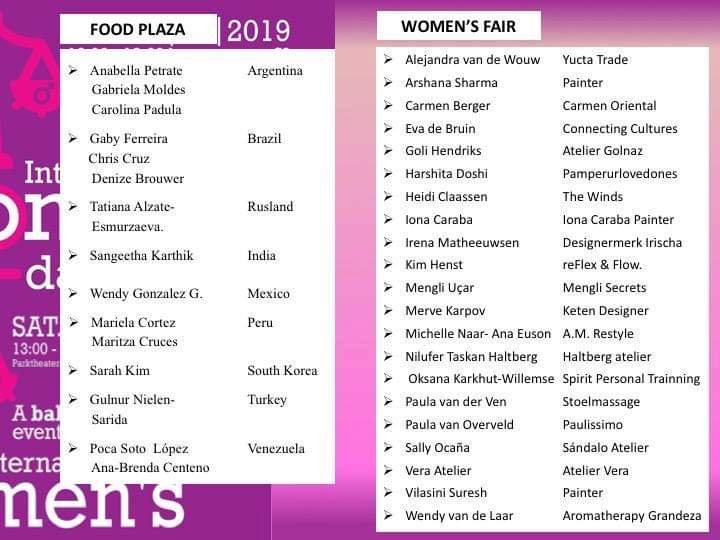
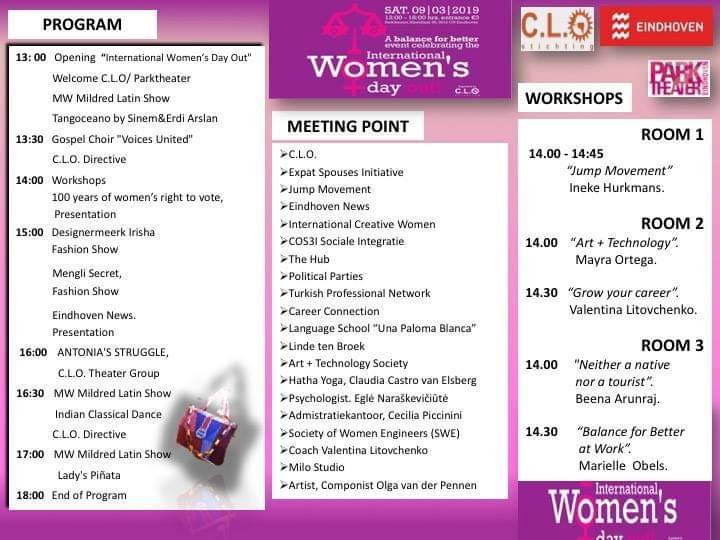
The program of this year’s international women’s day in Eindhoven, the Netherlands, has been published. Reason for STIR to be part of it through COS3I is that social inclusion, gender equality and other important factors, such as the emerging feminine manifestation energy, are also our points of attention within Sustainocracy.
How to create successful multidisciplinary communities within a complex transition
Impossible commitments?
Sustainable human and regional development requires the transition between ways of thinking and handling. The latter is already complex for individuals who see their comfort zones and lifestyle affected and hence adjusted. It is even more complex for institutions whose reason to be is often only partially compatible with the new sustainable development context. They can be part of a solution through technology or services yet are often part of the problem due to their polluting productivity or misuse of natural resources.
Think for instance of the car industry that is challenged into rethinking urban mobility, air and sound pollution or space optimization. Or multinationals that sell their health innovation, produced in a highly unhealthy and polluting supply chain. Or governance that tries to fit new age sustainability policy into political economic business cases.
Within our level 4 awareness driven regional development we bring together all these troubled minds and institutions into one local priortized, sustainocratic community setting. This seems a way of asking for trouble. Yet we find that in this environment the contradictions within the transition are largely eliminated into a can do setting. Where individuals seem unlikely to be able to take integral responsibility by themselves without disputing their own existence or way of working, the community highlights their remaining authority in a progressive, innovative, multidisciplinary approach. The contradiction however ofter produces stress in the communities and commitments. When many are involved this can be disruptive, conflictive and unproductive. To identify the blocks, mismatches and potential solutions, we use a special technique.
Systemic constellations
A complex multidisciplinary community consists of different energies that either complement each other or not. It is often unclear what is what since interests and commitments are mostly intertwined or not 100% transparant to the group. A systemic constellation is a reproduction of the players using a platform that helps envisage the different patterns and forces at hand. With a particular question at hand the power play is visualized and analyzed. Hidden fields appear both in the positive and negative sense. As the reviewing proceeds layer after layer can be analysed and look at from different perspectives. Players can exchange positions in order to feel the empathy within choices at hand that are often otherwise not understood. Playing the constellation is often an eye opener for all involved at personal and institutional level and helps strengthen relationships, processes and projects that otherwise would maybe waste resources and time.
STIR Foundation’s excellence
We find the extreme value of our STIR focus on level 4 participatory society, which we started defining and developing practical experience with since 2009. And in addition the experience we developed in te dynamic clustering processes of priority based multidisciplinary gathering at this level using our sustainocratic values to connect all participants. Over the years we had a variety of clusters that started with enthousiasm but did not survive themselves. Others took a long time to come to get to consolidate for growth due to hidden, unidentified forces. With the inclusion of specialists partners in the systemic constellation approac we completed the central team of sustainocratic community development. We also found in it a way to anticipate issues before even starting a complex dynamic clustering process.
Worldwide expertise sharing
Now, with all this expertise (level 4 multidisciplinary participation, sustainocratic core values, systemic constellations, etc we are ready to help sustainable regional development througout the world. Climate awareness, UN Sustainable Development Goals, commitment to Sustainocratic core values, whatever the focus, STIR can help with experts, methods and solid examples.
 Sustainocracy, the new democracy