Home » Articles posted by Jean-Paul Close (Page 9)
Author Archives: Jean-Paul Close
Where are our gratitude rituals?
Our local partner in town, CLO, organized a festival with a large diversity of dance groups. We enjoyed performances from Colombia, Bolivia, Bulgaria, India, Peru and Mexico. Each presented their colorful costumes and ancient rituals through their dances. Many of these performances relate to our gratitude for nature to provide us with food. Rituals with themes like Mother Earth, harvest, fertility, gratitude, social cohesion, etc. It made me wonder where these rituals have gone in modern city times? Do we still think about the origin of our food? Are we grateful? What do we pass on to our younger generations when they go to concerts or parties? Is there still a message anywhere? Please comment if you have views on this.


Tension between two human systems
We humans are member of two systems: our natural essentials and our societal format. When well balanced, these interact in a positive and progressive way. When unbalanced they produce a tension that will eventually explode or collapse.

Currently the tension is very high. This is because we have forgotten about our natural essentials, both as a human being as from the perspective of our living environment. We have prioritized on the development of the political financial interests and dependence. In order to reduce the tension we need to redevelop our natural essentials again and our relationship with our environment. Normally we give up a bit of our natural freedom to become part of a community for the benefit of such membership. Now we are challenged to give up part of our system dependence to regain balance with ourselves and nature. This is difficult due to the accumulated interests in the system. But if we don´t the tension will lead us to the breaking point, which tends to have a very painful nature. To relief the tension Sustainocracy defined 5 natural essentials as a shared responsibility between us people and the system. We bring the system players and human beings together to address those five essentials on a regional level:
- Integral, unpolluted health
- Safety and respect for each other and our environment
- Awareness development
- Shared responsibility
- Basic needs (food, water, air, warmth)

Opportunities arise for all involved, in the same diversity of interests than the functions represented. Our experiences are documented and published to inspire others in the world to also start reducing the tension through such shared commitment around our essentials. Examples of such prioritized commitments are:
- AiREAS – regional air quality and health
- FRE2SH – local regenerative food
- COS3i – social inclusion and innovation
- School of Talents – learning together

Mental health challenges for our youth, education and society as a whole

The pressure of our current societal development on our youth shows important mental health issues in the form of trauma, anxiety, stress, negative self image, lack of confidence in the future, fear, etc. There are many reasons that cause such challenges: family pressure on educational performance, societal pressure due to expectations, lack of maturely balanced role models, broken families, general negativity in the media, social media influences, global instability, financial problems, etc.
During recent international encounters I met with educators from different areas of the world that were looking beyond their traditional teaching methods. They were passionate about values driven education and learning, looking into ways to empower the students with special attention, methods and overarching meaning. I myself participated with sustainocracy as overarching, human centered, societal approach to sustainable personal and regional development. We coincided so strongly that we started sharing insights, (proposed) publications, interaction with students, etc.
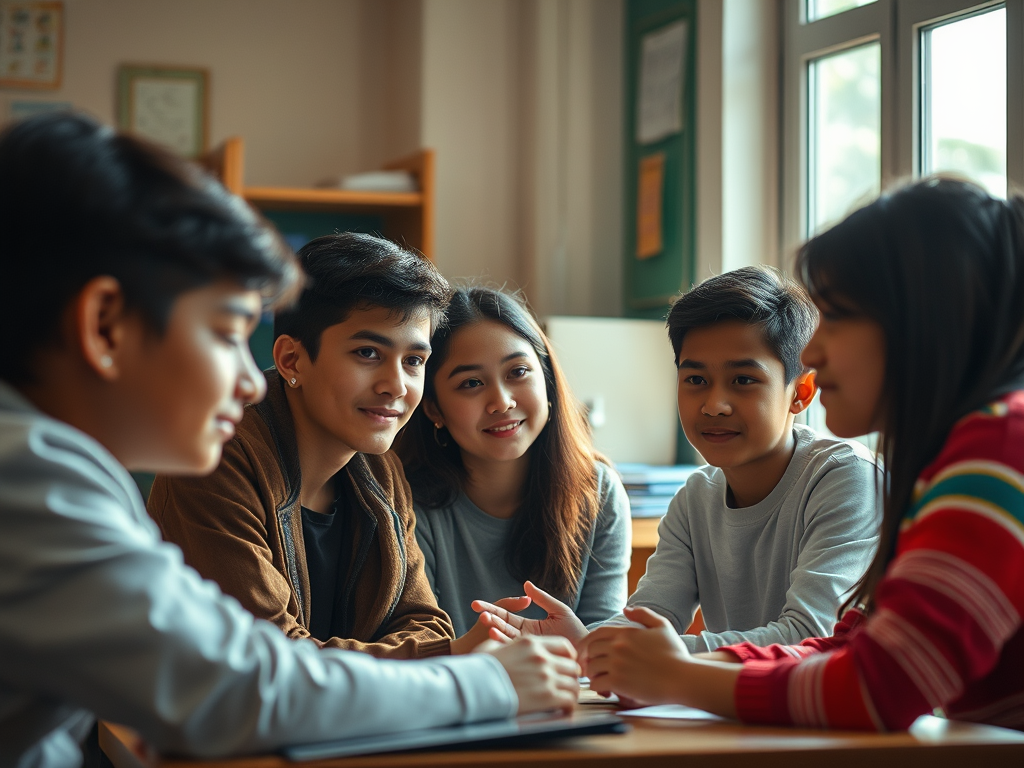
In general it opened a box of Pandora around mental issues in general and specifically seen in the context of the era we live in these days. Research shows that a stagering 12 to 15% of our upcoming generations suffer from some kind of mental or behavioral disorder. This is considered even a tip of the iceberg. My own experience, at societal level in my own region, places the burden even higher. Burdens that remain even unnoticed due to the tunnel vision of people forming society. This is influenced also by the recent Covid events, political polarization of societal diversity, lack of attention on values in the educational institutions (with certain exceptions) and the unreal pressure of the capitalist societal bias.
Gradually a network appears of professionals with a sense of responsibility, wanting to do things differently with and for our youth, to provide them with meaning, purpose, mental resilience and instruments to handle the challenges of this era effectively. If you wish to be part of this network feel free to contact me by email (jp@stadvanmorgen.com) or through replying to this blog.
 Sustainocracy, the new democracy