Home » multidimensional world (Page 99)
Category Archives: multidimensional world
STIR Lustrum 3 – making it real
3rd and last lustrum blog…..
“What’s in it for me?”
This is a logical question when you ask people to work together on a co-creation project. With AiREAS we got the very big players together to address the issue of health and air quality. They each had their own reasons to participate. But “air quality” is too abstract for the many people who live their daily routines in auto-mode. STIR Academy offers reassurance to people who are already in the process of pain, chaos or awareness. It shows best practice of other people but those who get inspired have a whole process ahead still to get going. FRE2SH makes it real.
“What’s in it for me” in a money driven world is always translated into some kind of financial benefit. In FRE2SH however we show that money cannot be eaten, drunk or inhaled. We show people to make a difference for themselves by getting involved into self sufficiency, enjoying the results directly through real benefits and reciprocity. FRE2SH is a cooperative because we cannot do everything alone and need to work together. Through the creative input of everyone we co-create society and can go as far as developing and building our own houses and infrastructures. In most places that is too far fetched due to the dominance of old society system’s so we start very small, working on true tangible things that inspire, awaken and connect people:
- Food & Water
- Recreation
- Energy
- Education
- Self sufficiency
- Health
Our value driven cooperations and all people involved wish you a “natural” and sustainable 2014
Many people in the world already deploy initiatives out of their own motivation and awareness building. They did not need triggers like the STIR Academy or AiREAS or FRE2SH. What they do need is the re-assurance and praise that their activities are recognized and valued positively by others. Maybe they could benefit by connecting to other local initiatives and prosper together.
“What’s in it for me” translates then into recognition, shared values, food, energy, health, positive relationships, new knowledge, joy, pleasure, labor, activity, social cohesion, etc. “Everything you can create you do not have to buy. The money you save can be spend on other things.”
To develop this practical progression while respecting the initiatives of pioneers, helping them to connect with a growing bigger picture we defined “FRE2SH”. FRE2SH has to make change visible when it is created and co-created…..expanding it into true regional self sufficiency using applied science, technology and open policies.
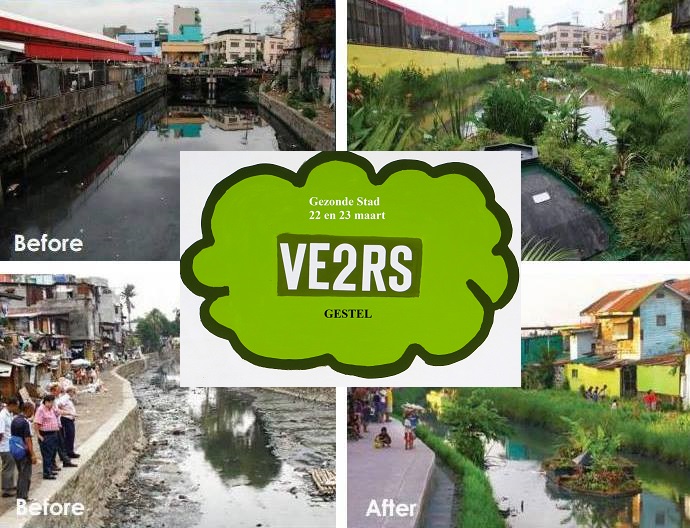
FRE2SH (VE2RS in Dutch) makes change visible
New value systems
When new age entrepreneurs connect they do so in exchange of goods, knowledge and best practice. No money is involved. Direct labor is compensated with sharing the local benefits. In many cases FRE2SH introduces new value systems that keep values local inside a circular economy. Within the STIR Foundation we apply already two different value systems, strictly for local for local economic developments.
- Buddy: this is an value exchange system between local for local participants. It is similar to money as it values time and real values against local exchange criteria of shortages, abundance, quality and demand. The difference is that the speculation is not done by the Buddy but by the values and the users. The Buddy is just a local multiply-able standard without interest rates.
- AiREAS: this is a value system to stimulate behavioral changes. Eg. People who take the bike instead of car for work (good for health and air quality) can get local AiREAS that offer local benefits or access to specials.

1 AiREAS
Competition
FRE2SH does not compete with the power positions of large global energy or food supplies. It just stimulates self sufficiency and self awareness inviting the large organizations to participate and adjust their market approach accordingly. The local for local trend cannot be stopped and will eventually affect all structures, large and small. Self sufficiency in basic needs is only possible when we apply high tech innovations, scientific insights and social innovation. For big structures it is best to become early adapter too by joining FRE2SH and get inspired or even active rather than trying to fight it. Totally new markets emerge with great potential. The new world develops and we do it or make it visible.
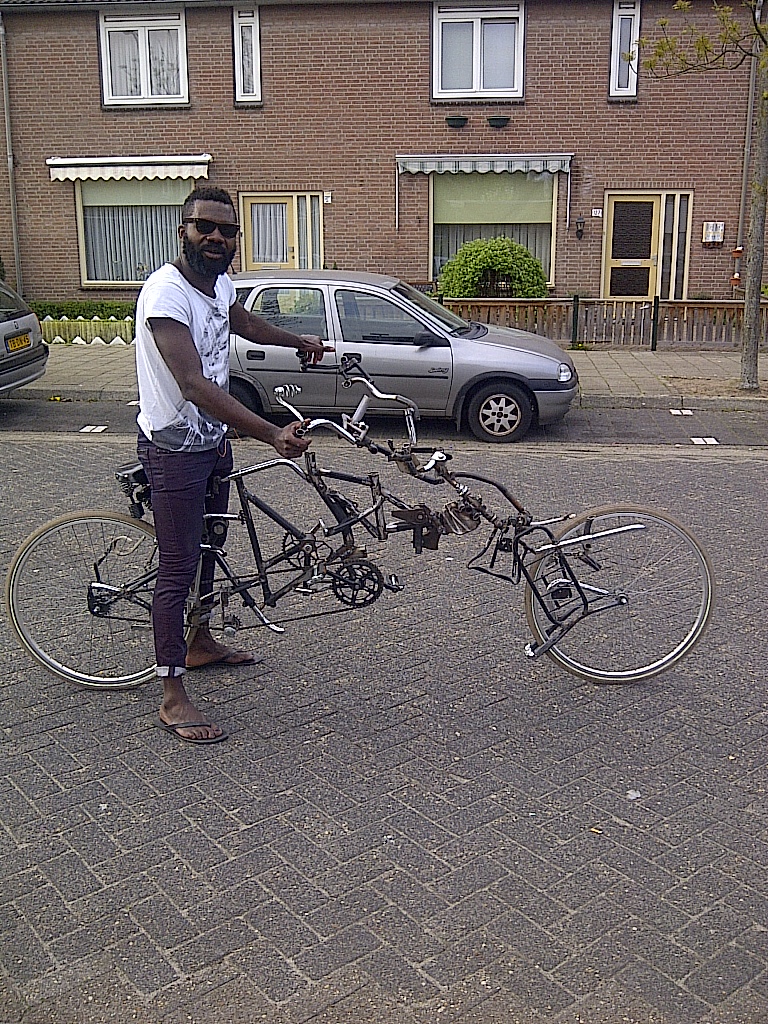
What you can make out of trash
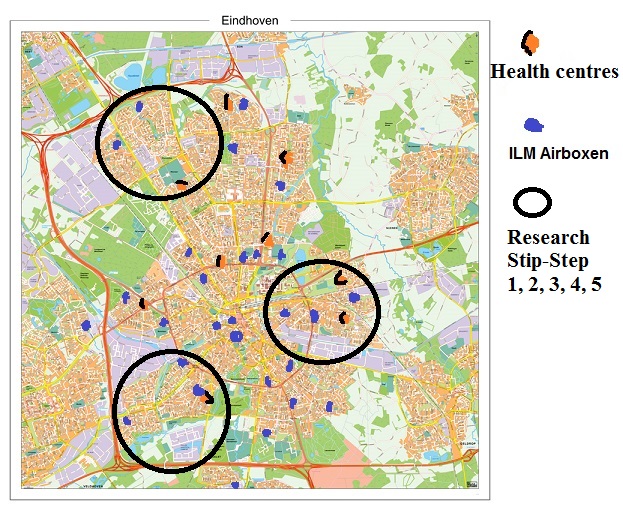
FRE2SH communities in Eindhoven
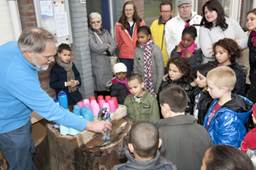
Showing kids the benefits of clean plain water instead of sweetened juices

Co-creating the eatable city by planting 100’s of fruit trees in the public space with school kids
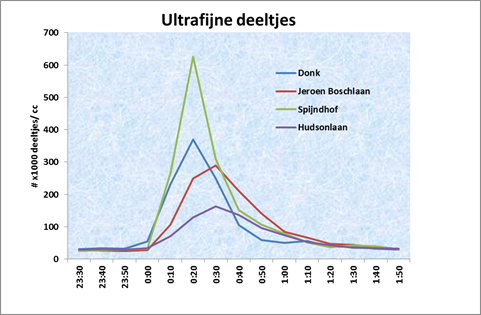
Showing the new year pollution peak to which we expose our kids with fireworks

City farming needs to be preceded by soil tests on ancient pollution patterns

Regional development and STIR Self sufficiency university

Proactive citizenship
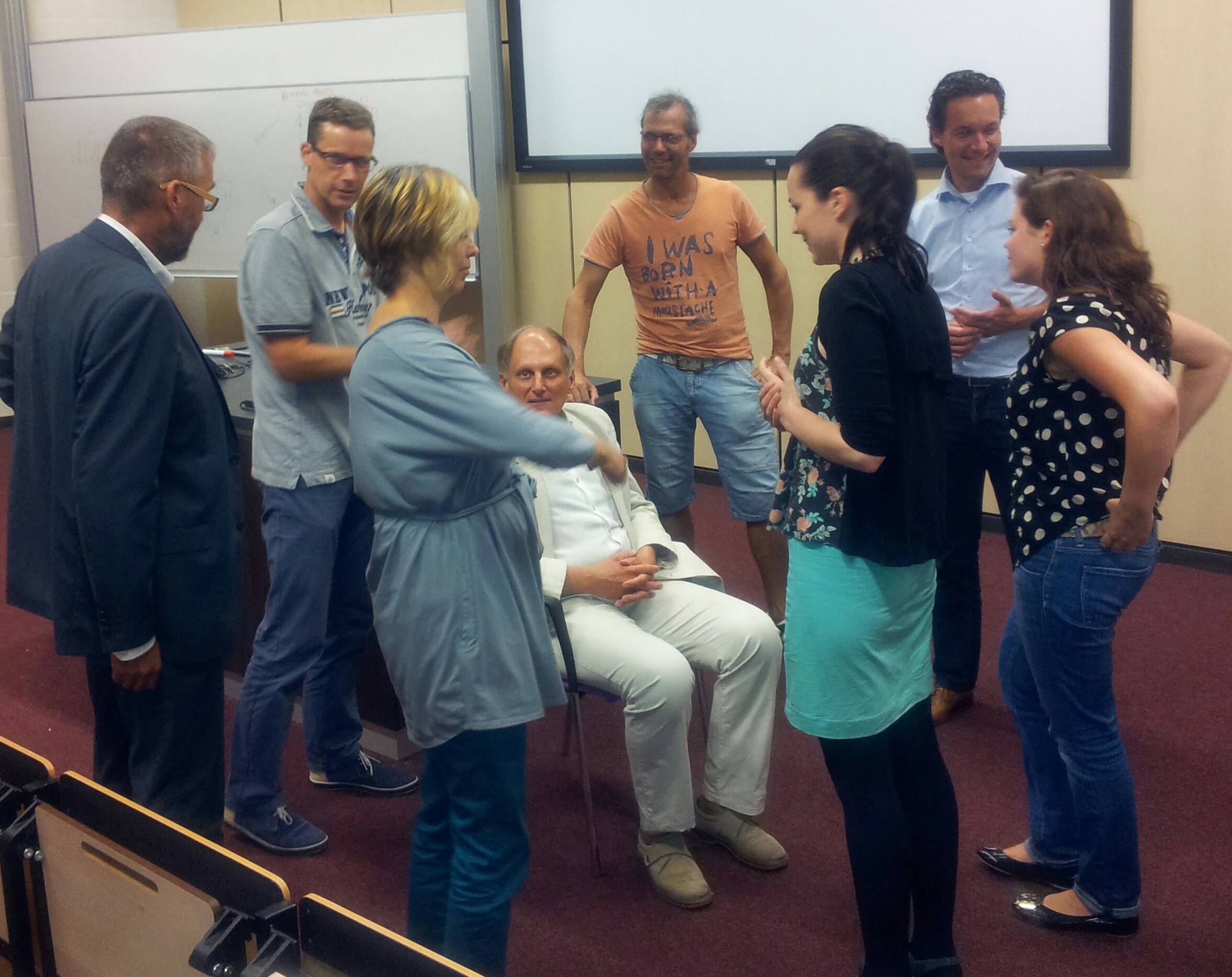
Learning to help each other

A city should be eatable

FRE2SH in action
FRE2SH is a global cooperative (local 4 local 4 global) movement. It does not cost anything to start. Important is to connect and use the same Sustainocratic framework so that we can share experiences through STIR Academy and get the large players to facilitate.
The battle between fear and dreams
This mini analysis is based on the evolutionary situation in Holland (1945 – 2020) using the drawing of human and societal complexities. The law of opposites cause rhythmic changes in emphasis that have to do with our inner conflicts and awareness too:
- Fears versus Dreams
- Greed versus Moral justice
The changing energies between the To Be and To Do show a sinus wave over time with periods of 7,7 and 54 years in a life time. The way we deal with this is meaningful for progress.

Cyclic evolution in rhythmic phases
The natural society rhythms are consequence of these opposites that have become the kernel of the diversity of life on Earth but also the learning battle that our human species fights with itself. Every cycle through chaos of our species is exponentially more intense that the ones before. With a global population now of 7 billion, three times the population when world war II ended, the fear for new violent encounters is as high as our dreams for sustainable progress. These two opposites interact in a powerful awareness struggle without precedence. The next few years will be decisive to answer the following:
- Will humankind enter in a destructive, self inflicted (and assisted by nature) chaos that exceeds every war ever before? The eternal battle between greed and moral awareness?
- Or will we overcome chaos permanently by introducing and accepting the law of opposites and learning how to deal with it for progression without chaos? The battle between fear and dreams, the quantum leap when awareness overcomes fear?
Cyclic evolution and awareness
Our understanding today of the cyclic nature of our behavior is enhanced by the mini analysis of the period between 1945 (end of WW II) and 2020 (new collapse) in the Netherlands (equivalent to the rest of the world in similar phases).
1945: When world war II ended in 1945 in the Netherlands, leadership was needed to co-create a stable society (co-create symbiosis). Leading in the argumentation was the destructive force of the war, the reasons behind its development and what could be done to avoid it? The conclusions were that we need to build social securities that moderate the natural potential of aggression of desperate people by giving them a minimum to survive, sufficient to avoid them to follow immoral impulses.

1945 to 1970 reconstruction of a country based on WW I/II awareness
Note: 1945 – 1970 is a 3 x 7,7 year cycle.
1970: The creative social systems (pensions, social security, unemployment funds, etc) are now in place. The “State of social care” had become a fact and should stand model for lasting wellness and peaceful progress. At the same time fear arises in the 1970’s present and at the horizon for the cost of social care. The postwar reconstruction phase is behind us, labor from industrial processes evaporate due to the exodus to low wage regions and first demand on the securities system show inefficiencies. A management culture replaces the leadership culture. The discussion changes from “change for stability” into ” the need for financial growth and controls”.

Growth became the trigger to sustain wellness
Wellness and financial abundance had a positive effect on longevity. Economic growth became the keyword to sustain wellness. The taxable potential of circulating money was important with the foresight of increasing costs to sustain social security. The aging population, statistics on decrease of child birth and expected costs of health care and social securities, showed an unbalance in the future financial stability. Wanting to keep wellness as a norm cannot be seen as greed, the human psychology to sustain it can. We have the tendency of wanting more of the same. This produces the downfall along the axes of moral awareness. Not that we did not learn from the painful episodes in our history, we did. But they grow away from memory as new generation grow up in abundance and peace. Other emotional priorities take the overhand, such as apathy, reluctance, fear, greed, etc. People tend to think now of wellness as a human right and consider the system responsible for maintaining it. The management system develops a structure of hierarchy and power to introduce efficiencies and measures of control. Some important measures were:
- Reduction of the work week from 40 to 38 and 36 hours. This should spread the workload over more (taxable) salaries. Taxed labor was and is one of the mayor sources of income of the government.
- The liberation of money emission from its gold reserve collateral. This should boost the circulation of money, the second largest tax income through VAT development.
- The focus on value added logistics for goods distribution from low wage countries (China, India and Brasil) to the EU, due to our geographical location and trade expertise (a third key source of tax income).
Money became the goal, as a growing means to finance wellness. Tax became the most important instrument for the management of the country. People are slave to the system. “Care” and “Greed” developed into a dual economy of growth: the need for massive consumption of goods and the attention to the consequences of this over consumption, referred to as “wellness deceases”.

The systems starts breaking up
1995: The tension in the system builds up but awareness is at lowest level. Apathy, blindness and reluctance reigns. The economy still grows but by unnatural forces. The consequences of the 1970’s measures lead to a management culture of greed. Bankers took the lead, together with real estate brokers that speculate with shortages of houses. The influx of cheap labor for the supply chain focus increases the demand. The price evolution of a house had become the collateral for money circulation and debt creation. Stones, debt and speculation had become more important than the human being or its capacity to create productive communities. Economy of growth and tax had become dominant with impressive constructions of personal wealth development of heartless speculants. Government had itself tied up in an negative spiral of taxation needs that also captured the greed of state officials who could build personal security, hierarchy and income through the bureaucratic network. The exponential costs of society, that had been expected in 1970, did occur with the unexpected particular emphases on greed rather than need. The credit crisis in 2008 brought the immorality and system’s vulnerability to the daylight. The explosive amount of tensions around the world had not triggered awareness but the bank affairs did, especially that of fear. The instant counter measures were based on massive capital injections out of fear for total system collapse.
The management culture is kept in place by the hierarchical lobbies, legal criminality and fragmented overall money dependence. Everything seems to be done to swim against the stream of progress out of fear for chaos, collapse and loss of authority. This causes multiple tensions to build up further as social securities evaporate, pollution destroys our habitat, greed evolves further, morality is at its deepest point and the system cracks up despite capital injections and increased management through bureaucracy of controls and reluctance to change.

Towards 2020 the choice is ours
2008 is halfway between greed and fear when the credit crisis struck, showing the face of both. Instantly there was a wake up call. The management culture is dominant and seeks measures to sustain itself. Large capital injection, increased control systems and further focus on economic growth are measures of all the fragmented individual self interests that work together.
But 2008 also opened up room for the first initiatives in the field of leadership and change. A new leadership cycle breaks through. STIR Foundation is pioneer and started its co-creative platforms, inviting all those who panicked to join forces. A very first impulse was achieved to connect management of future growth with leadership of change. We achieved temporary progress and showed the way beyond chaos and even avoiding collapse. It was a precedent that collapsed again when management measures thought to have produced positive results. That is natural too. The green line of leadership is still fragile and unsupported. As stated in the previous blog there is only a small time frame when management and leadership can interact together. That is when the expectation of pain and collapse is big enough and a consensus can be reached on the fear eliminating dream (where value creation ends and money making begins).
2020: Even though we live now in 2014 the dot on the horizon does not go much further than 2020. We now stand on the edge of the total collapse that capitalist measures tried to avoid since 2009. From a management perspective, what has changed to date? Nothing! The greedy still benefit in their personal financial growth patterns while social securities evaporate. Leadership is emerging challenging greed, our financial slavery and the system that supports it. STIR is actively developing its precedents. Pope Francis is using very sharp words to condemn the system of growth and calls for responsibility. Leaders occupying management positions open up for co-creation.
Two cyclic battles
From the above we can distinguish two interwoven battles of human development:
- 1945 – 1995: The leadership battle for human wellness through co-creation
- 1970 – 2020: The management battle for sustained material greed through fragmented self interest
Since about 2000 (7 * 7.7 years since 1945) a new leadership battle emerges, this time around “sustainable human progress”. It does not support the management battle. New age 21st century leafership bases itselves on value creation rather than consumption. The law of opposites helps management towards collapse. 2008 was just the beginning. Towards 2020 more of it becomes visible, but can total collapse be avoided?
The 1970 versus 2020 battle
The real battle now is between the 1970 belief and system’s reality that “money solves it all” and the new 2000 leadership belief that “sustainable value is created together”. The latter is based on feeding our awareness with the need to transform the system’s complexity and performance. In history we see that collapse has never been avoided due to the powerful resistance of management forces. The biggest question is now: “Does history repeat itself? Or do we create a new episode and turning point in human history?
My personal choice and daily efforts are for the turning point through persistence, belief in my views of the human complexity and reassured by the precedents achieved so far with Sustainocracy. This can only expand and enhance itself throughout the world. Dream A (money solves it all) can only prosper with Dream B (co-creation through awareness) when they unite in value creation and expansion.
Kind regards,
Jean-Paul Close
Sustainocrat
When leadership and management work together
Evolution has a cyclic nature, clockwise of course. A self aware species develops “leadership and management”. In this drawing I explain how we deal with both in a natural chronological order.

Leadership introduces change after a burst of awareness. It expands into new phases of wellness through the acceptance and co-creative efforts that change entire communities.
Management wants to keep wellness by growing its values out of greed or the fear for loosing it. It tends to avoid change while introducing control mechanisms by building bureaucracies.
Excessive management and focus on growth or risk avoidance tends to blocks leadership out of fear that change affects control mechanisms and hierarchies of power. This unavoidably leads to a crisis, chaos and collapse. After the collapse leadership and change become dominant again with the introduction of new values, making the cycle complete.
When then can Leadership and Management work together effectively in a complex society? That occurs when the eminence of chaos and collapse is so powerfully present and destructive that management open up to leadership development, accepting change as part of the management process. Leadership and management goals can find a match. The purpose then is harmony and chaos avoidance.
STIR Foundation shapes this by taking leadership initiatives around complex issues. We position ourselves in the field of awareness and leadership and invite top level management officials to participate in change processes and co creation towards harmony (symbiosis). The management officials then have to introduce change through managed routines and controlled processes. Total chaos can be avoided when multidisciplinary coalitions address the issues together. This we call Sustainocracy, the complex but highly productive process of interaction between leadership and management.
Experience shows that bureaucracy is largely eliminated, decisions accelerated and result driven processes terminated in years rather than decades. The pain of chaos is reduced to a minimum and surrounded by care.

