Home » Society
Category Archives: Society
Mature and immature societies and the option of harmonizing behavior
Our behavior is very much conditioned by our surroundings, the culture in which we live, our upbringing and education. The current societal pressure on financial performance in a competitive and demanding environment has impact on our mental and physical wellness, the psychology of our behavior and even the level of maturity of our societies. In order to understand this we need to define what maturity is. As a participant and player in the current society we tend to be blinded for it consequences. When I started to look at reality from the human centered perspective of Sustainocracy, gradually a good impression was obtained about the lack of maturity that is sustained also by the way Western democracies are structured around interests rather than responsibilities. By adding the layer of sustainocracy to the overall functioning of these societies a degree of warm mature engagement is achieved that provides sustainable harmonization to the communities.
This I tried to develop in the article published through a worldwide journal of psychiatry. It is free of charge. Feel free to comment and reflect:
Open Access Government magazine Januari edition
This peer reviewed online magazine contains a huge amount of interesting articles within a large range of topics. I was invited to participate with Sustainocracy. The pages 374 – 375 are dedicated to this for anyone interested. But by all means have also a look at all the other contributions that provide significant inspiration for a wide audience.
Article about Sustainocracy:

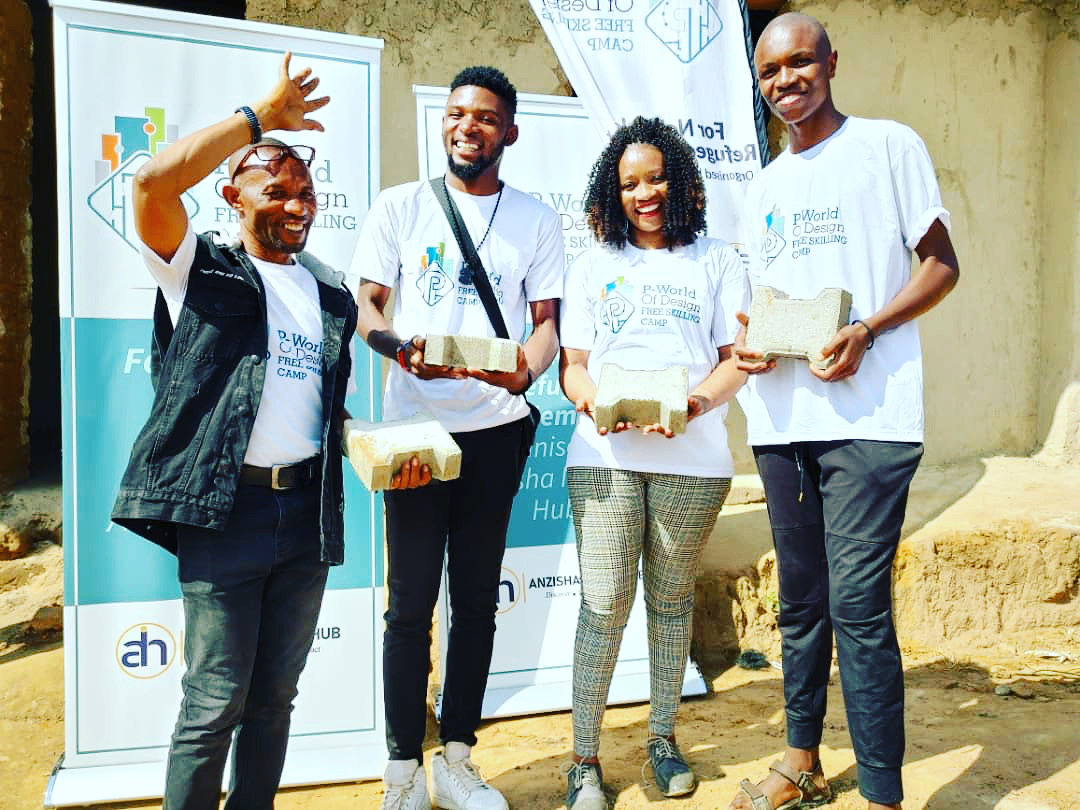
Uganda refugee camp reviews sustainocracy
The review was made in his own words by Jonathan Ngangura, young leader, community builder and entrepreneur in Nakivale, Uganda.
Sustainocracy: A Model for Empowering Refugee Communities in Uganda
Sustainocracy, with its emphasis on ecological integrity, social equity, and economic sustainability, offers a compelling framework for improving the lives of refugees in Uganda. While challenges abound, the principles of sustainocracy can be adapted to empower refugee communities, enhance their resilience, and foster long-term well-being.
Key Impacts:
- Enhanced Food Security:
- Community Gardens: Sustainocracy encourages community-led initiatives like organic gardens, which can significantly improve food security, reduce reliance on external aid, and promote healthy eating habits.
- Sustainable Agriculture: Exploring techniques like permaculture and agroforestry can enhance food production while minimizing environmental impact.
- Improved Health and Sanitation:
- Access to Clean Water: Implementing sustainable water management systems, such as rainwater harvesting and improved sanitation facilities, can significantly improve public health.
- Renewable Energy: Access to renewable energy sources like solar power can improve access to lighting, cooking, and refrigeration, enhancing living conditions and reducing reliance on polluting fuels.
- Empowerment and Self-Reliance:
- Skill Development: Sustainocracy emphasizes skill development and vocational training, empowering refugees with the skills necessary for self-employment and sustainable livelihoods.
- Participatory Decision-Making: By involving refugees in decision-making processes related to camp management and service delivery, sustainocracy fosters a sense of ownership and empowers communities to take control of their own destinies.
- Environmental Protection:
- Waste Management: Implementing community-based waste management systems, including composting and recycling programs, can minimize environmental impact and reduce pollution.
- Conservation Efforts: Promoting awareness and engaging refugees in environmental conservation efforts can help protect the natural resources upon which the camp and surrounding communities depend.
Challenges and Considerations:
- Limited Resources: Securing adequate resources for implementing sustainable initiatives within refugee camps can be a significant challenge.
- Security Concerns: Issues like security, protection, and the potential for conflict can hinder the development of stable and sustainable communities.
- External Dependency: Over-reliance on external aid can hinder the development of self-reliance and community-led solutions.
Moving Forward:
Despite these challenges, the principles of sustainocracy offer a valuable framework for improving the lives of refugees in Uganda. By fostering community ownership, promoting environmental sustainability, and empowering refugees to take control of their own destinies, we can create more just and resilient communities within refugee settings.
Key Recommendations:
- Invest in Community-Led Initiatives: Prioritize funding and support for refugee-led initiatives, such as community gardens and renewable energy projects.
- Promote Skill Development: Expand access to vocational training programs and support refugee-owned businesses.
- Strengthen Participatory Governance: Increase refugee participation in decision-making processes related to camp management and service delivery.
- Address Environmental Concerns: Implement comprehensive waste management systems and promote environmental awareness within refugee communities.
By embracing the principles of sustainocracy, we can create a more just and equitable future for refugees in Uganda, empowering them to build resilient and sustainable communities.
 Sustainocracy, the new democracy