Home » STIR Academy
Category Archives: STIR Academy
Podcast about sustainocracy and developing a new and sustainable reality together (8 minutes)

Listeria, Listeriosis, and Public Health – ResearchPod
- Listeria, Listeriosis, and Public Health
- Shrinkflation: Does size really matter?
- Hormone replacement therapy and how to take it safely
- Lasers, Ivory & Unexpected Entrepreneurship | The Enterprise Sessions with Dr Rebecca Shepherd
- Aesthetics and food shopping: why consumers reject unattractive produce
Transforming and enhancing the world of education with human values
The financial system has provided humankind with obvious benefits. But as time went by the system also developed into a single dimension of our human reality, abusive, dictatorial, competitive and unethical. This has developed into unprecedented tension, not only at societal or ecological level but also within the scope of our natural human values, our mental, physical and emotional resilience. Having positioned my own stir research foundation and related activities fully at the side of core human values, the impact of that forced single dimension became visible. A visibility that remained obscured when emerged fully in the functioning of the system. Only the symptoms were increasingly visible, treated by the financial system as a costly problem rather than displaying empathy and self reflection of being part of the cause. The system does not provide with an alternative, but humankind does, placing the financial world at a less dominant position, as a means, not a goal.
By doing so, the entire human reality transforms, applying multiple dimensions to our daily activities. We see this happening all over the world as an evolutionary process of humankind. This equally leads to attempts to include values in our educational activities. Worldwide I try to interact with like minded scholars that do research in the field, complementing my own empirical experiences with statistics. Interesting research was published recently by Wai Chun Cherry Au from Hong Kong who teaches values to a group of students with whom I had the opportunity to interact online.

Mental health challenges for our youth, education and society as a whole

The pressure of our current societal development on our youth shows important mental health issues in the form of trauma, anxiety, stress, negative self image, lack of confidence in the future, fear, etc. There are many reasons that cause such challenges: family pressure on educational performance, societal pressure due to expectations, lack of maturely balanced role models, broken families, general negativity in the media, social media influences, global instability, financial problems, etc.
During recent international encounters I met with educators from different areas of the world that were looking beyond their traditional teaching methods. They were passionate about values driven education and learning, looking into ways to empower the students with special attention, methods and overarching meaning. I myself participated with sustainocracy as overarching, human centered, societal approach to sustainable personal and regional development. We coincided so strongly that we started sharing insights, (proposed) publications, interaction with students, etc.
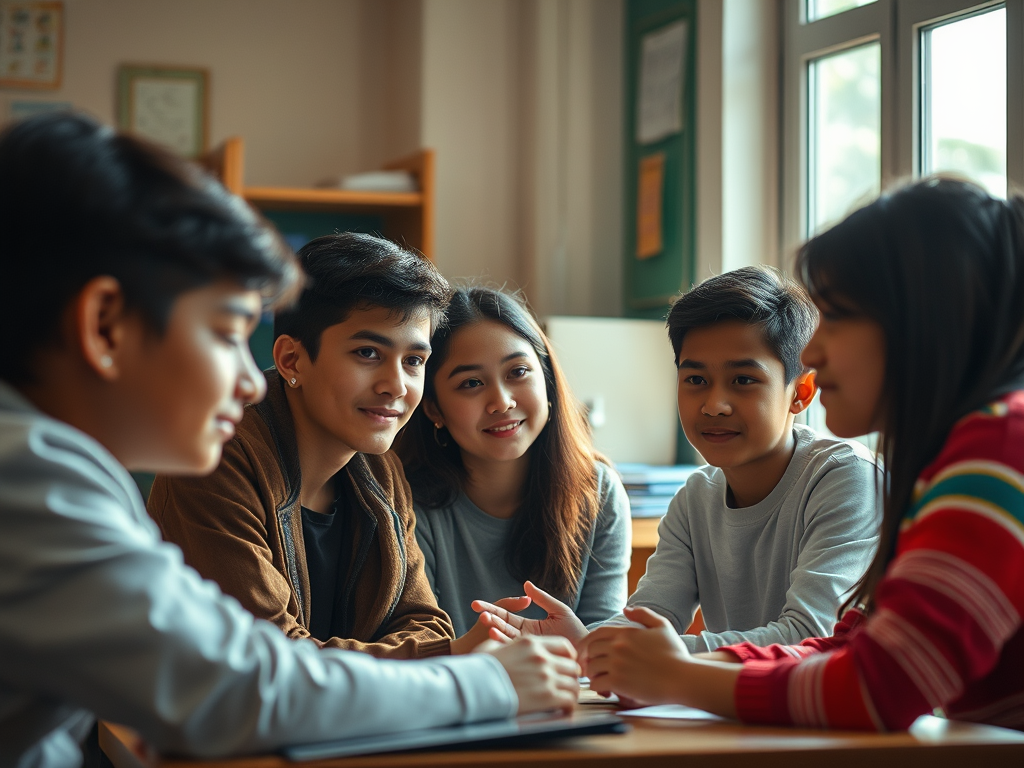
In general it opened a box of Pandora around mental issues in general and specifically seen in the context of the era we live in these days. Research shows that a stagering 12 to 15% of our upcoming generations suffer from some kind of mental or behavioral disorder. This is considered even a tip of the iceberg. My own experience, at societal level in my own region, places the burden even higher. Burdens that remain even unnoticed due to the tunnel vision of people forming society. This is influenced also by the recent Covid events, political polarization of societal diversity, lack of attention on values in the educational institutions (with certain exceptions) and the unreal pressure of the capitalist societal bias.
Gradually a network appears of professionals with a sense of responsibility, wanting to do things differently with and for our youth, to provide them with meaning, purpose, mental resilience and instruments to handle the challenges of this era effectively. If you wish to be part of this network feel free to contact me by email (jp@stadvanmorgen.com) or through replying to this blog.

