Home » Posts tagged 'sustainocracy' (Page 17)
Tag Archives: sustainocracy

Introducing the STIR Learning Academy
Learning through participation we call it. We are all, young and old, people and institutions, challenged to recognized and develop the essential values for our existence as human beings. In the STIR learning academy we formulate this challenge and get people to work on it from their different personal background perspectives. In the Academy we address all fields of attention even though some developed spontaneously as priorities over time within STIR.
The program can be found under the Academy tab of this blog. We don´t want to be yet another educational institution and prefer to be a valuable partner to provide learning contexts to existing educational infrastructures. We also work gladly with learning partners from all over the world in order to contribute to people´s development of skills but also awareness about the broader dimensions of life. Many of our programs are not executed in a classroom. They are performed in open dialogues, open air experiences, health valley services, etc.
We are not interested in just transferring some knowledge. We want to make a difference in people´s lives by developing changes in perspective, understanding authenticity, life essentials and shared responsibilities. People who join our learning programs gradually become part of our Sustainocratic society, not through any kind of indoctrination, by mere opening up to themselves as valuable human centered change makers, entrepreneurs and contributors to the common good.

The STIR learning academy has already existed for over a decade. In fact before STIR was announced in 2009 we already worked on the 4 x WIN entrepreneurship of the 21st century. This is the first time that we bring together all the accumulated knowledge for people to join and put into practice in their home countries.
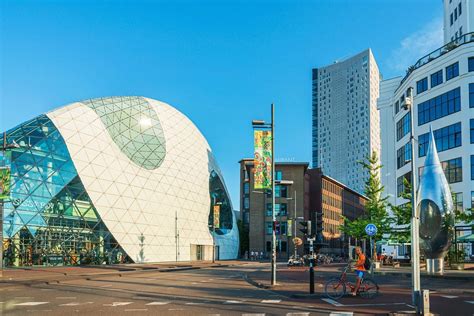
The living lab of Sustainocracy has been the region of Eindhoven in the Netherlands. Many of the learning offers are therefor conducted in this town. But we also use the network of our partners in the world to do training on specific subjects. In reality, everything is possible as long as one is willing to open up to the mindset of the essential human values and shared responsibility.
If interested in keeping up to date about our Academy activities and offers please let us know.

Under what circumstance can Sustainocracy develop as a viable alternative to our current governance models?
Asking the famous Artificial Intelligence Chat platform:
ChatGPT:
Sustainocracy is an alternative governance model that prioritizes the well-being of people and the planet, emphasizing sustainable development and the co-creation of a harmonious society. While its adoption and viability depend on various factors, there are certain circumstances under which Sustainocracy can develop as a viable alternative to our current governance models:
- Recognition of the limitations of existing models: When the shortcomings of traditional governance models become apparent, such as their focus on short-term economic growth without adequately addressing social and environmental concerns, there may be a willingness to explore alternative approaches like Sustainocracy.
- Growing awareness of sustainability and well-being: As societies become more conscious of the need for sustainable practices and the well-being of citizens, there is an increased demand for governance models that align with these values. Sustainocracy’s focus on sustainable development and the balance between economic, social, and ecological aspects can appeal to those seeking a more holistic approach to governance.
- Collaborative decision-making and citizen empowerment: Sustainocracy emphasizes citizen participation and co-creation, involving various stakeholders in decision-making processes. When people feel disengaged or excluded from traditional governance structures, the participatory nature of Sustainocracy can be seen as a more inclusive and democratic alternative.
- Localized initiatives and experimentation: Sustainocracy thrives in localized contexts where communities and regions come together to address their specific challenges. When local communities face pressing issues that require innovative and tailored solutions, Sustainocracy’s emphasis on local initiatives, collaboration, and adaptation can provide a suitable framework for governance.
- Leadership and political will: The adoption of alternative governance models like Sustainocracy often depends on visionary leaders and political will. When political leaders recognize the potential benefits of Sustainocracy and are willing to champion its principles and values, it becomes more likely to gain traction as a viable alternative.
It’s important to note that the transition to Sustainocracy is not a straightforward process, and its success depends on a complex interplay of social, economic, cultural, and political factors. However, under the right circumstances, Sustainocracy can emerge as a viable alternative that addresses the shortcomings of traditional governance models and promotes sustainable development and well-being.

Chat GPT, what challenges does Sustainocracy meet in the Dutch and global societies?
Playing with this incredibly powerful OpenAI (Open Artificial Intelligence) gives intelligent answers that are spot on. Just read what it responded to the question in the titel.
What challenges does Sustainocracy meet in our current Dutch and global societies?ChatGPT
Sustainocracy, as a concept and approach to governance, faces several challenges in both Dutch and global societies. While it aims to promote sustainable development and prioritize the well-being of people and the planet, its implementation can be hindered by various factors. Here are some challenges that Sustainocracy may encounter:
- Paradigm shift: Sustainocracy requires a fundamental shift in thinking and decision-making processes. It challenges the prevailing paradigm that prioritizes economic growth and short-term gains over long-term sustainability and societal well-being. Overcoming this resistance and fostering a shift in values and mindset can be a significant challenge.
- Political and economic interests: Sustainocracy may face opposition from powerful interest groups, including those with vested interests in maintaining the status quo. Political and economic pressures to prioritize immediate gains and favor certain industries or sectors can hinder the implementation of sustainable policies and practices.
- Complexity and interdependencies: Achieving sustainability requires addressing complex and interconnected issues such as climate change, resource depletion, social inequality, and environmental degradation. Sustainocracy needs to navigate these interdependencies, balancing multiple stakeholder interests and finding integrated solutions, which can be challenging in practice.
- Collaboration and participation: Sustainocracy relies on collaboration and active participation from various stakeholders, including governments, businesses, civil society, and citizens. Building effective partnerships, fostering trust, and ensuring meaningful participation from diverse groups can be demanding, as conflicting interests and power dynamics may arise.
- Education and awareness: Promoting sustainability requires raising awareness and educating individuals about the importance of sustainable practices. This includes providing information about the impacts of personal choices, consumption patterns, and the need for behavioral changes. Overcoming apathy, resistance to change, and promoting widespread understanding can pose challenges.
- Implementation and scalability: While Sustainocracy may be successful at a local or small-scale level, scaling up and replicating its principles and practices can be challenging. Adapting the approach to different contexts, integrating it into existing governance structures, and securing necessary resources and support for implementation can be hurdles.
- Global cooperation: Many sustainability challenges transcend national boundaries, requiring global cooperation and coordinated efforts. Sustainocracy may face challenges in fostering international collaboration, navigating geopolitical tensions, and aligning diverse national interests towards common sustainability goals.
Addressing these challenges requires a combination of visionary leadership, inclusive decision-making processes, effective communication strategies, and fostering a culture of sustainability. It also necessitates the integration of sustainability considerations into policies, regulations, and economic systems, while engaging and empowering individuals and communities to actively participate in the transition towards a more sustainable future.
 Sustainocracy, the new democracy