Zero tolerance
Within the industrial based societal hierarchy there is a perceived official tolerance for polluting and destructive activities due to its economic relevance. Supportive politics to these industries due to corruption, misleading information or dependence on the taxable labour offered by these enterprises, become complice to the damages caused on local and global humankind and our planet. Have a look at this video of the crimes of cement industries that use subsidised waste to fuel their processes.
Such industries, often within the domain of large western multinationals, have the coward, historical tendency to do these practices in areas where the politic environment is still favorable for their crimes. They are called crimes because the negative health and environmental impacts are known to the executives. This is why they diverted to these places, away from their home country where rules are much stricter. The aspect of willingly and knowingly polluting and poisening a local population somewhere in the world is a crime against humanity.
Such industries tend to justify their action because of the global “need” for their products, the wish to recover their investments or the profit pressure demanded by their stakeholders against all moral validation, often with a long term collatoral of the local government. This means that the local network is as responsible for the crime against their own population as the multinational itself.
Locals that defend their basic right for health (without unnatural, human inflicted pollution) get prosecuted for trespassing, blocking economic processes or other “system crimes” that have no natural basis. This shows the old irrational focus of justice on defending a manipulated interpretation of justice out of economic bias. This is wrong in basic, unwritten natural laws of public health and safety. Favoring the sustaining of a corrupt “money determines all” type of phylosophy makes even those parts of justice complice of the crime.
When there is a choice there is no excuse. With the growth of core natural values driven alternative community (society) governance (SDG’s based, donut economy, Sustainocracy, etc) to the money driven hegamony the zero tolerance of crime against nature and humanity is growing equaly. Politicians, business executives and justice have now a choice. This is still voluntary in view of the relative novelty of the definition of the core values and alternative governance model. Soon it will become compulsary by law of nature. Within the voluntary arena of choice they will have to face increasing the public disapproval and uprise. It is not the institutions that choose, it is the people that run and support them.
The newly demanded zero tolerance justice is hence not concentrated anymore on blaming the enterprises with their battery of system lawyers. It is going to prosecute the executives, politicians, civil servants and even judges themselves who get blamed for their choices. Self protective immunity could be a mask within the dominance of a single system but with the breakthrough of alternatives the immunity is not effective anymore. There is no hiding possible. The only way forward is through protecting, defending and supporting sustainable human progress and our core natural values. If not, one is facing to be banned from the community as even jail, at the expense of the community, is too much for such criminals.
Zero tolerance….
Earth Odyssey

Five times in history our planet Earth suffered a high impact event that nearly killed all life forms. The most famous is the alleged meteorite impact that wiped out the dinosaurs. A sixth event seems to occur right now. It is called “the human being” and our Anthropocene behavior. Even this is being disputed by some scientists who refer to humankind as a possible hickup in the history of life on Earth, one that will be long forgotten, let alone remembered by any possible future so called intelligent, analytical species in the future.

What would that mean? That we don’t have to take responsibility, because whatever we do, we become extinct anyway? Or does that mean that we do need to take responsibility in order to make the best of it as long as we occupy our place in the timeline of the planet and its ecosystem? Is it reasonable to analyse the human species as any other species in the diversity of possibilities? Or do we need to look at our wit, self awareness, creativity, inventiveness and adaptiveness as something unique, authentic and instrumental to turn our destiny to our benefit. Is it reasonable to look at our development in logical phases, starting with our breakthrough as an intelligent toolmaker?

Our second phase would be competitive as our advantage would give us the capacity of greed and desire of control. We would follow the path of deepening understanding that greed and competition does not lead to stability. That diplomacy, cocreation would, first of all among the diversity of our own many cultures.
Haven’t we now reached a point of a second mayor turnaround, one that gives us deep understanding of our responsibility towards ourselves and our environment, the one of symbiose, to live and let live? To value our core natural values and let nature and time determine our destiny while we ourselves contribute to our sustainable existence instead of self inflicted premature death?
Let is talk about it, and develop a mindset of faith, adaptiveness, sustainable progress and cohesion. Earth Odyssey is a platform for dialogue. Sustainocracy is a new mindset.
- First open dialogue live streamed on november 1st 2020
- Second open dialogue live stream on november 15th 2020
- Third open dialogue live stream on november 29th 2020
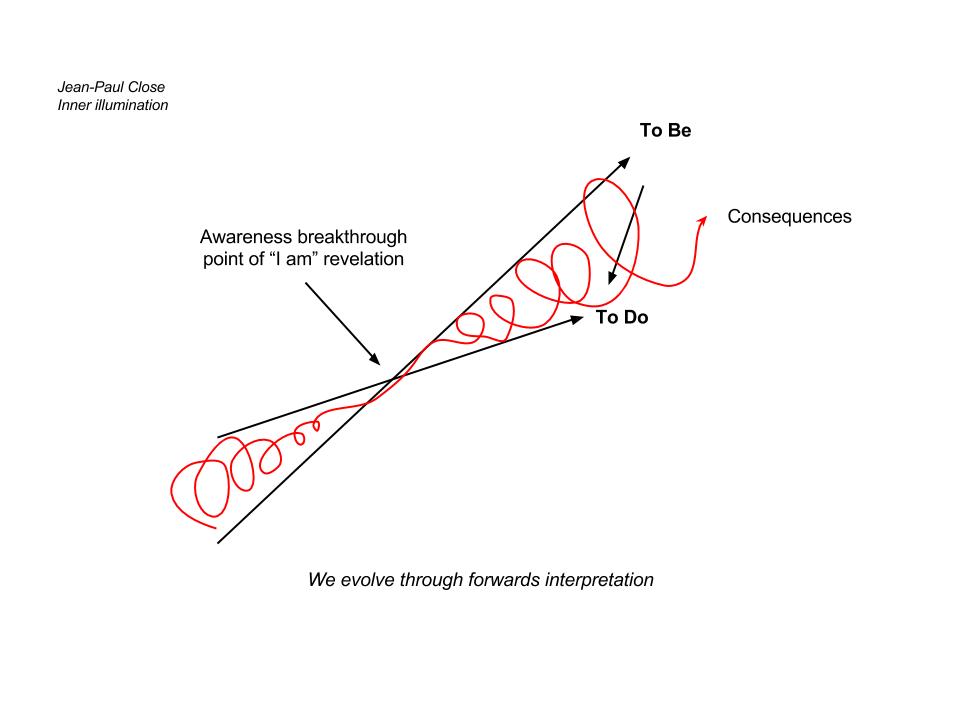
Four points of view to address the issues of the world
- Who? Me?

The most common position to address the issues of the world is “to let someone else deal with it”. In our fragmented reality, in which we all occupy a little piece of everything and no one seems responsable for “it all”, one easily identifies with the big global problems but hardly with one’s own responsability or one’s option to bring the world together to solve whatever is needed. This is the case for the billions of individuals but also all the institutions that have their own specific objectives and interests to focus on, to stay alive in the fragmented economical political environment.
2. If you ask me, and pay me

We live in a fragmented reality in which trade is the norm, as well as reactive, remedial governance. All our efforts are measured against financial rewards. Governments tend to subsidize remedial actions that they consider needed. In the past the same governments may have paid to do whatever created the problem that now needs to be solved. They never go to the root cause and tend to mop with the tap open as the tap represents interests that are difficult to wipe out. Business organizations offer their services to solve whatever problem as long as they get paid. They will not go at the root cause of issues either as these do not provide financial means and often even show that most of the institutions are as much part of the problem that they try to solve against payment. Like someone said in big pharma about medicine: “It is not our business to cure people, we just satisfy our shareholders.”
3. Activism

Then there is the category to people that either suffer the consequences of the problems, or develop a moral attitude to the lack of responsability that is taken by the fragmented players, people or governments. There are many ways to show insatisfaction or a particular morality. One can become a volunteer (unpaid participant) to solve issues at hand. One can organize or participate in demonstrations, show aggression against dominance (terrorism), prepare an attack through justice, or lobby through the media or with pamflets.
4. Create something new

The layer that we created as Sustainocracy simply invites everyone to participate in addressing the issues by developing the root of all issues, our mindset and contextual focus. In fact we engage the previous three points of view without them hardly noticing. The layer “who me?” is invited to follow the new mass and as their follower’s mentality gets them to participate in the solution without even changing their attitude (eg. if no plastic bags are available people bring their own). The layer “if you ask me and pay me” (business) is participating through the projects but at the same time asked to reflect about their own position (transformation and positioning) in the problem solving eco-system. The “activists” have a dot on the horizon to pinpoint to and enough material to address the ones “who don’t (want to) know” about their choice and make it know to them.
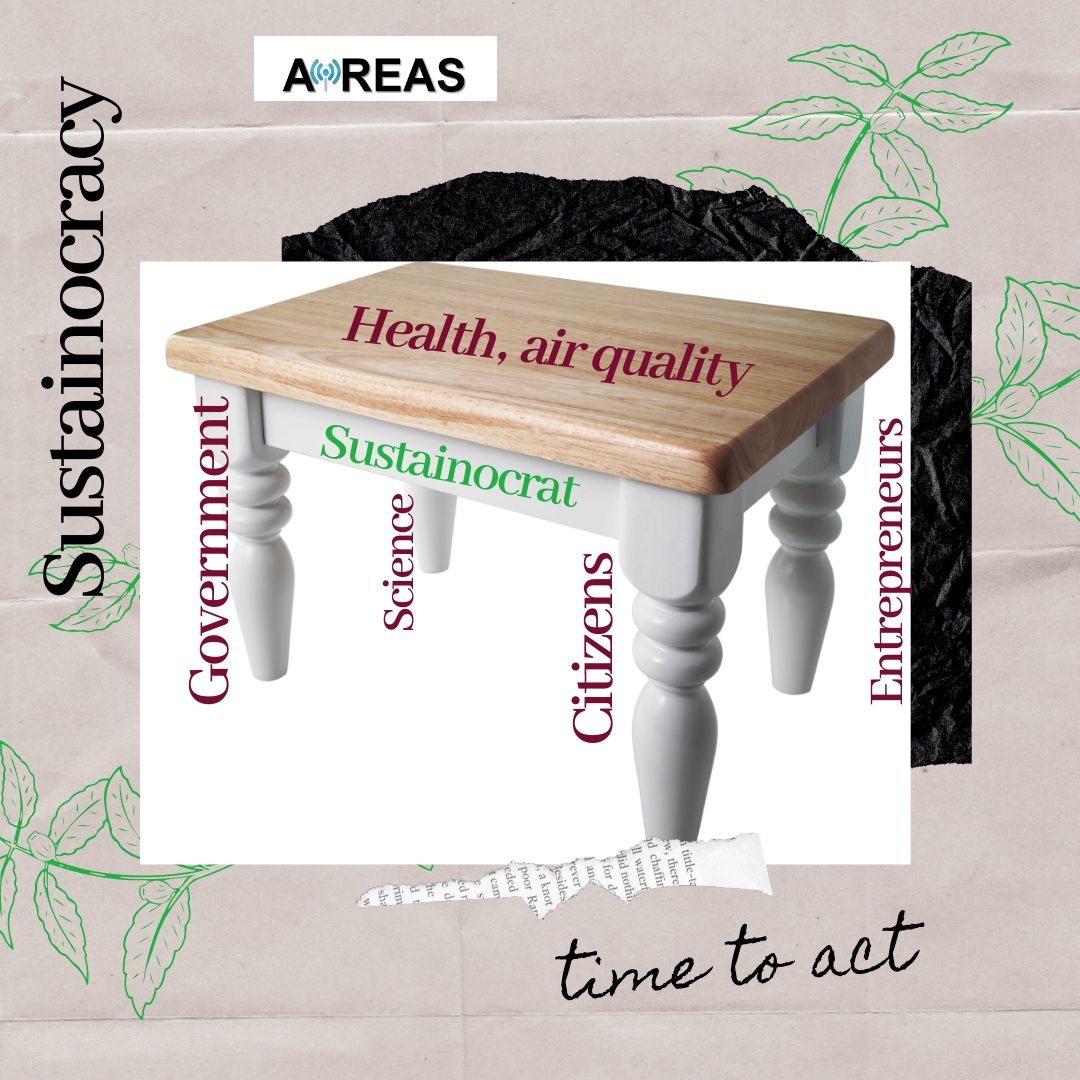
 Sustainocracy, the new democracy