Home » Posts tagged 'consciousness' (Page 3)
Tag Archives: consciousness

Secrets for a good and healthy life
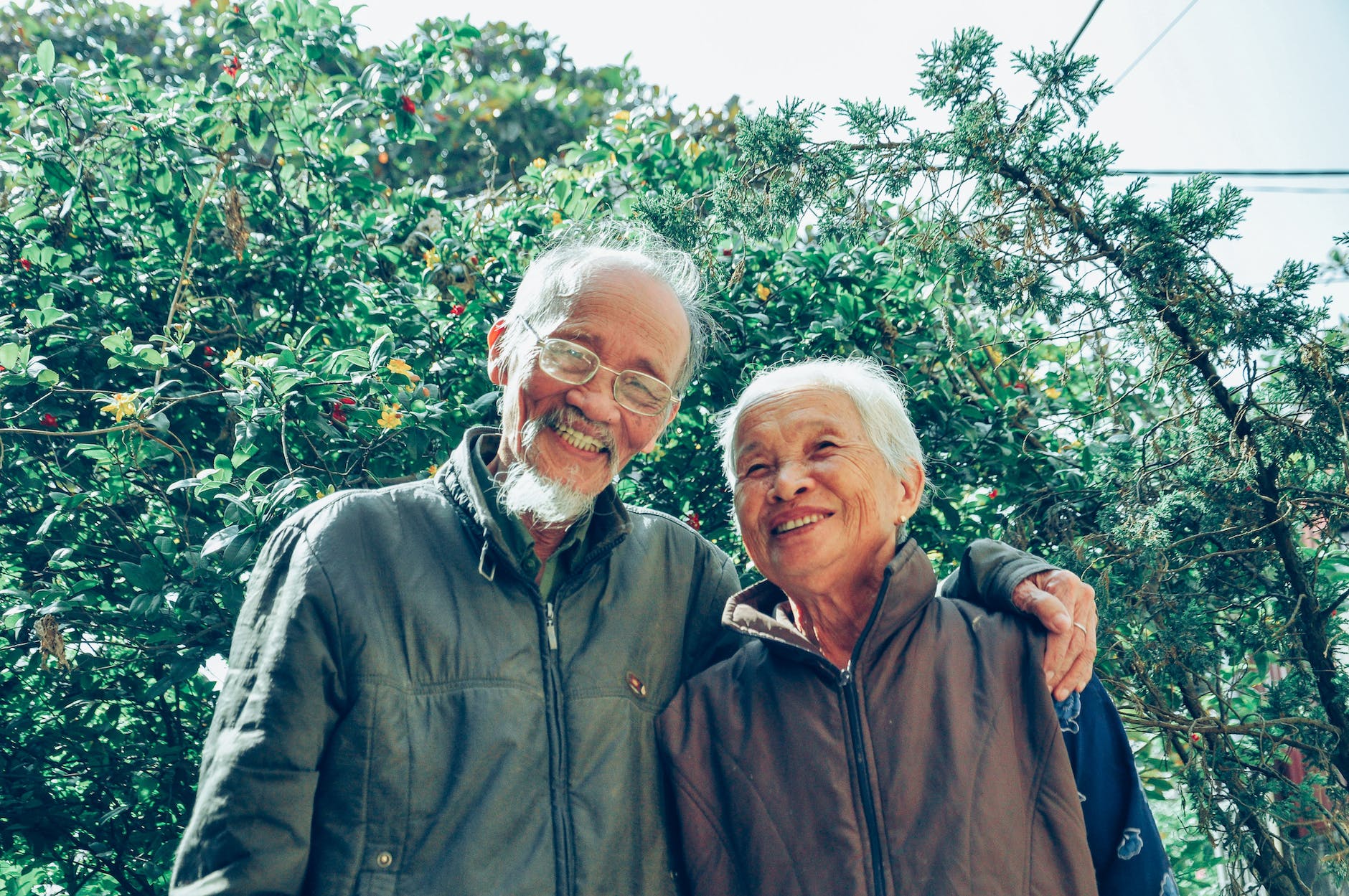
A unique health study from Harvard University was recently published. Never before had a scientific study followed people for so long, from childhood to death in old age. 85 years long! The starting point of the research was to identify health-determining factors that positively influence life. The outcome shows that social engagement is key. This coincides with our observations and publications. But the research goes further. Here you can listen to several TED talks about the secret of a “good life”.

Sustainocracy arose in 2009 from the culture shock experienced by the founder when he returned to the Netherlands after a long absence. The perceived atmosphere of loneliness, negative critical attitude, “fear of the other” in a multicultural society, the “every person for oneself” individualism, the culture of distrust in the government, were experienced as structurally unhealthy by him as an outsider. In 2016, COS3i, the community for social inclusion, integration and innovation, was intuitively started. In AiREAS (also Sustainocracy) research had shown that at least 50% of our exposure to air pollution is caused by ourselves. If we wanted to work on our health and a healthy living environment, it should not be with a critical, negative attitude about pollution but through the positive invitation to healthy behavior. This body of thought is now further substantiated by science. At the time, we also studied concepts such as “Blue Zones”, or areas in the world where people age on average about 10 years more in a healthy way compared to the rest of the world. These studies yet again showed that “social contact” was one of the essential pillars of a healthy life.
Harvard adds the question “but how does that mechanism work?”. How is it possible that people with a healthy social bond with their environment suffer significantly less from welfare diseases? Some clues are:
Negative and positive stress
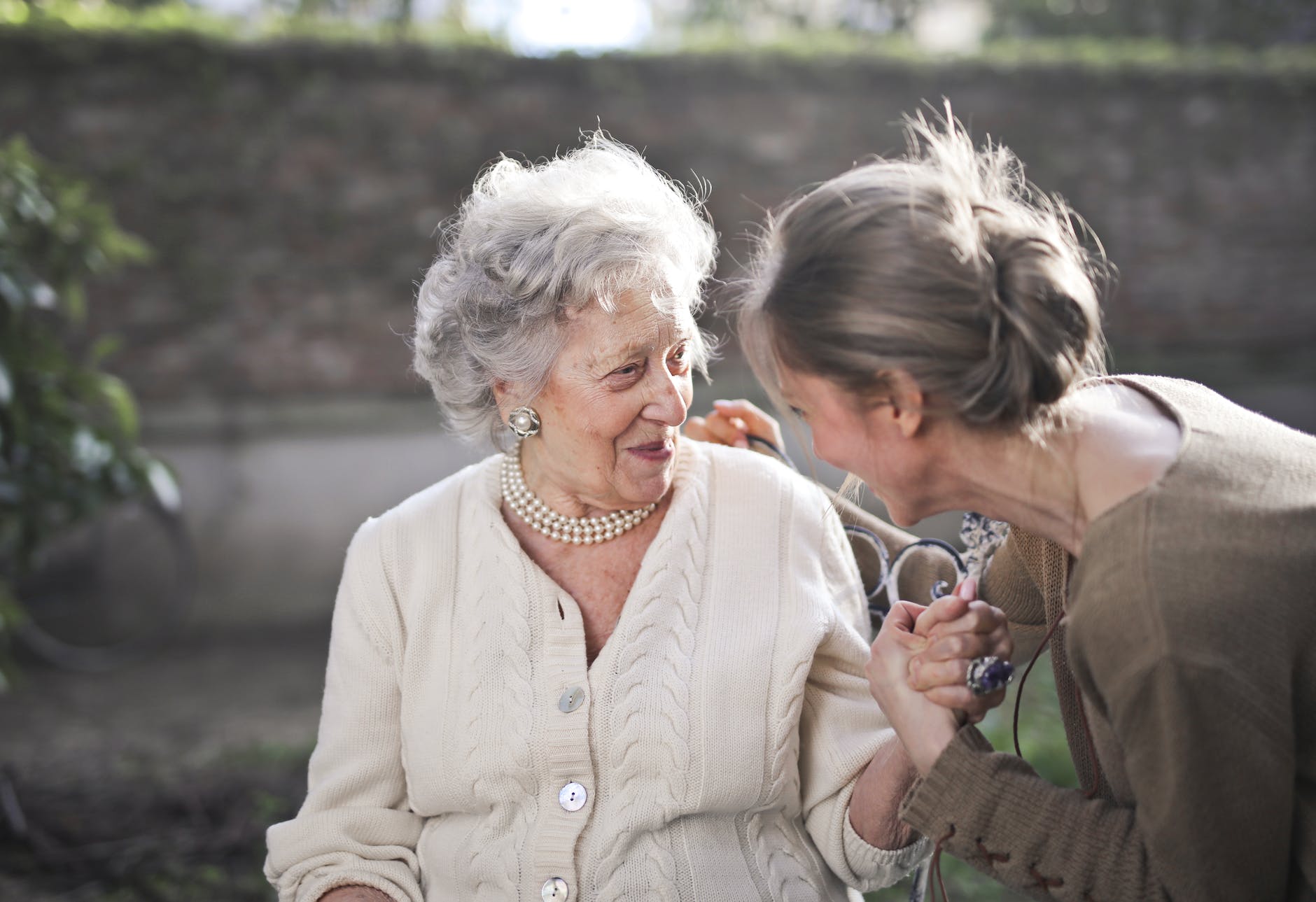
The old adage “a sorrow shared is a sorrow halved” is extremely relevant to people with good social contacts. Community formation is the basis for a sense of security. One can share personal suffering (and joy) with others, receive a hug or process emotions through a good conversation. One can give or receive a helping hand, both with satisfaction as a result. Those positive emotional “injections” appear to contribute to our own health too. People who are in loneliness or isolation don’t have that outlet. The negative stress accumulates in them with all kinds of consequences. These manifest themselves through behavioral disorders such as alcohol or drug use, eating disorders, attacks of aggression, but also all kinds of physical problems.


Recognize something good in the other
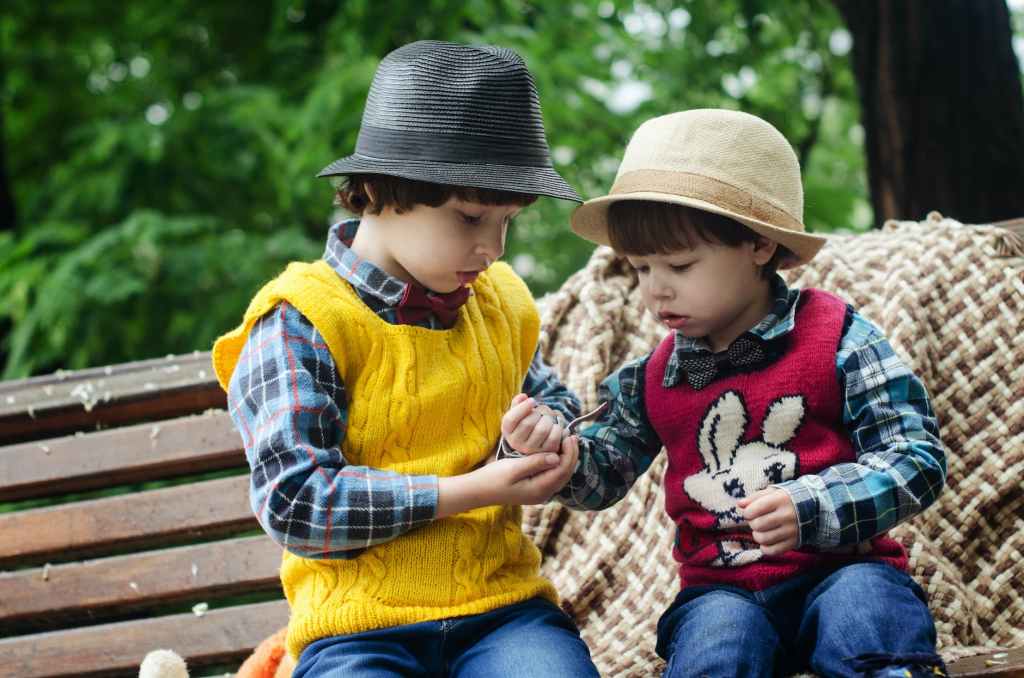
We are often very critical and easily see the bad things in others. Positivity, also in relation to the expressions of behavior of others, appears to significantly improve our own health. It takes some effort and practice to interpret the world around us from a positivism perspective. Giving a compliment, the open acknowledgment of “something good” in or by the other, shows empathy, gratitude and a healthy resonance with positive energy. This form of behavior cleanses our inner selves in a certain way and also influences our own social behavior.
Radical curiosity
The danger of long-term relationships is that we tend to think we know everything about the other person. Curiosity diminishes, affects communication and weakens the connection. Radical curiosity means that we are actively open to the other, even if we have been together for decades. Each person is a world in itself and undergoes changes. Experiencing, discussing and appreciating that together sustains a connection that goes much further than being together. However, it requires active attention, curiosity and observation. “Hey, you took out your pink earrings again. I haven’t seen that one in a long time….” and then listen openly to the story that goes with it.
Communicating from “the other”
The difference between communicating from ourselves and from “the other” is that the form is lifted above our own desires and biases. Not everyone is equally communicative. One likes to talk and a lot, the other is more into listening or communicating non-verbally. Acknowledging and appreciating this in each other requires understanding each other, asking open questions and perceiving the small details that one can deal with. The power only really arises when both apply this and respect each other based on each other’s authenticity and individuality. Of course we don’t have to do this with everyone even though such open attitude is experienced nearly always as pleasant in all situations. It concerns in an extra dimension those we feel good about between our friends, acquaintances, relatives and especially of course our partner and children.



Health effects
This research shows that creating such an an open community atmosphere, based on positivism, curiosity, mutual recognition, respect for each other’s behavior and, above all, the resulting attention for each other, leads to a lower risk of type 2 diabetes, cardiovascular diseases , etc. Finally, some comments were shared about “regrets”. Later in life, 80+-year-olds looked back on their lives and stated that there were two things they would do “differently”:
- Less attention to “work” and more to their social relationships
- Worry less about what “someone else might think” (especially women who fed this back).
It was also stated that it is “never too late” to learn and develop this. In Sustainocracy we even go so far as to recognize four development phases in every human being. The form analyzed by Harvard belongs to stage 4: “conscious living”. But that does require letting go of phase 3 “conscious survival”. Our current performance-oriented form of society is strongly aligned with phase 3, also institutionally. Almost all relationships in this form of society are focused on political or financial self-interest with a strong competitive drive, distrust of “the other”, aggression and a focus on performance and growth instead of attention and cohesion. This is why people in the autumn of their lives look back and regret having spend so much unnecessary time in conscious survival stage.
Phase 3 is also the form in which education is cast, as if the whole of life is aimed at performance without nuances. It should now be clear that this form of societal structuring leads to many underlying diseases. We should start with a form of education in which young people learn to deal and understand phase 3 in order to eventually shape their own phase 4, based on positive self-knowledge, a positive self-image, authenticity and gratitude. This will also have an impact on general health care, cost of society, the integral quality of life and a positive outlook on the present and the future. Sustainocracy invites people and institutions to act in phase 4. Examples can be found in communities like AiREAS, FRE2sH, COS3i and the School of Talents in which all participants and institutions confirm the warm bonding and interaction due its unique format based on equality, respect and cocreation.


Food as a remedy
Join us for our OSFD Odyssey and FRE2SH talks on Thursday March 23rd at 16.00 CET on zoom. Please register here for free to attend.
We are a living manifestation of nature and as such everything in nature happens through us.
Jean-Paul Close (Sustainocracy)
We are continuously being challenged to develop natural, lasting and evolutionary resilience through illnesses such as the flu or the corona virus. Other species such as bacteria, mosquitos, fungi, etc. use us as their own source of nutrition, especially when we are weakened and sick. Other of such species interact with us very positively. In fact our inner world is an ecosystem on itself with various millions of species interacting.
In order to build up and sustain our resilience individually and collectively as a species we need to use our consciousness and self-awareness to keep balance with our inner and outer environment. And this living environment is full of remedies for us to benefit from. Our pharmaceutical industries are entirely based on the wisdom of nature. A wisdom that is available to us directly through herbs, balanced diets, engagement with nature, self-awareness, etc.
Speakers
Maartje Kreike

Founder of Natuurlijk Maartje. She got her diploma in Orthomolecular food knowledge. She runs an educational food forest in the city of Eindhoven in the Netherlands where she develops workshops and training for groups, including schoolchildren. Maartje promotes a healthy lifestyle and food awareness to keep the doctor away. She believes in natural remedies through knowledge of herbs and natural food rather than medication.
Marcela Correia

Marcela and her team in Brasil started to experiment with fermentation for non alcoholic drinks. These probiotic drinks are slowly fermented with yeast and bacteria. They have a very good effect on our internal wellness. Their drinks are called Kombuchá and available in Rio de Janeiro and Sao Paolo.
Hosts
Jean-Paul Close – Founder Sustainocracy, STIR Foundation, FRE2SH community (https://www.linkedin.com/in/jeanpaulclose/)
Ellen Gonzalez – OSFD Restless Head of Research (https://www.linkedin.com/in/ellen-gonzalez-996b07b6/)

Green Friday is healthier and fun
If you really want to make a statement, embracing Green Friday is a beautiful form of activism without the consumerist aggression of the black variety. What to do on Green Friday?
Do NOT buy in bulk, no matter how misleadingly attractive the marketing may be. All those not only lost the economic basis, but also nature and interpersonal relationships.
- Work from home to finish the week on time and start enjoying the family and friends life. No air pollution today, no traffic jam stress, but social connection.
- If expected at work go by bike, share transport with someone else or go by public transport. No dirt in the air on our Green Fridays.
- Eat locally produced food, preferably together with family, friends and acquaintances
- Buy directly from the farmer, without intermediaries such as the supermarket
- You can also find clues NOT to go to work. A day of rest, walking in nature, attention for yourself.
- Get a massage, do yoga or go cycling. Enjoy the now, the anti-stress and your green approach.
- Do some gardening, alone or with others. Think of edible plants in the garden.
- Let others know that you choose Green Friday. Maybe they’ll join.
- Maybe you enjoy crafts and will spend the day making beautiful things from discarded materials?
- Or spend a day helping a healthcare provider, a community building, or cleaning up messes in the street.
- Or ask your neighbors. Maybe they need something, but don’t dare to ask or don’t know who to turn to.
In short, Green Friday is socially binding, environmentally conscious, something we should always be. Only today we will pay extra attention to it because there are so many that do the opposite. Also businesses join and take their personnel out for social work and teambuilding activities. They refuse to spoil their authenticity, image and functioning, preferring to join some 4 x WIN activities instead.
 Sustainocracy, the new democracy