Home » Posts tagged 'responsibility' (Page 12)
Tag Archives: responsibility

Cities are massively redefining their functions
When we look at the development and evolution of cities we can observe an era of intense changes. While the organic growth of urban centers has historically been motivated by defense against external aggression, trade and later industrial activities, nowadays cities develop around quality of life and services. For a long time city management was conditioned by urban growth factors, building infrastructures and facilitation business dynamics. This determined the look and feel of the places, often at the expense of pollution, traffic based collapsed infrastructures, waste development, criminality, ghettos, etc. They were the playing ground of financial lobbiest, industrial giants, logistic trade lables, real estate developers and speculants, and underground activities of drug dealers, financial criminals, etc. Expensive bureaucracy, police and other measure developed to manage this dark side of city explotation.
Brave leadership nowadays is producing a massive turnaround that is motivated by a new era in which awareness of certain key responsibilities have penetrated all layers of society. Things that were held for impossible a few decades ago are now florishing in certain municipalities as a modern age example of sustainable progress. We are still living in between the two realities but the new one, the healthy, participatory, environmental friendly one, is manifesting itself with great determination and growth. Gradually urban environments can become Sustainocracies.
Jean-Paul Close
Some examples on social media:

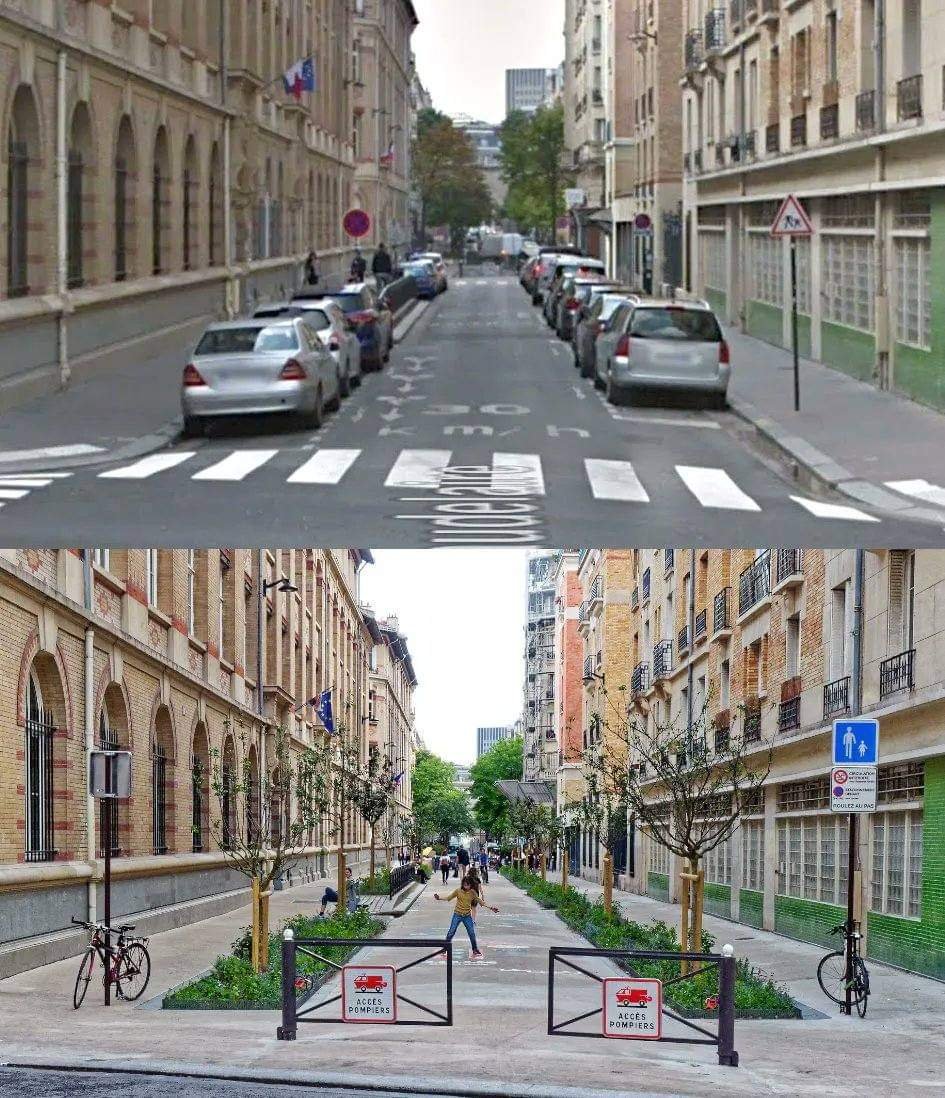
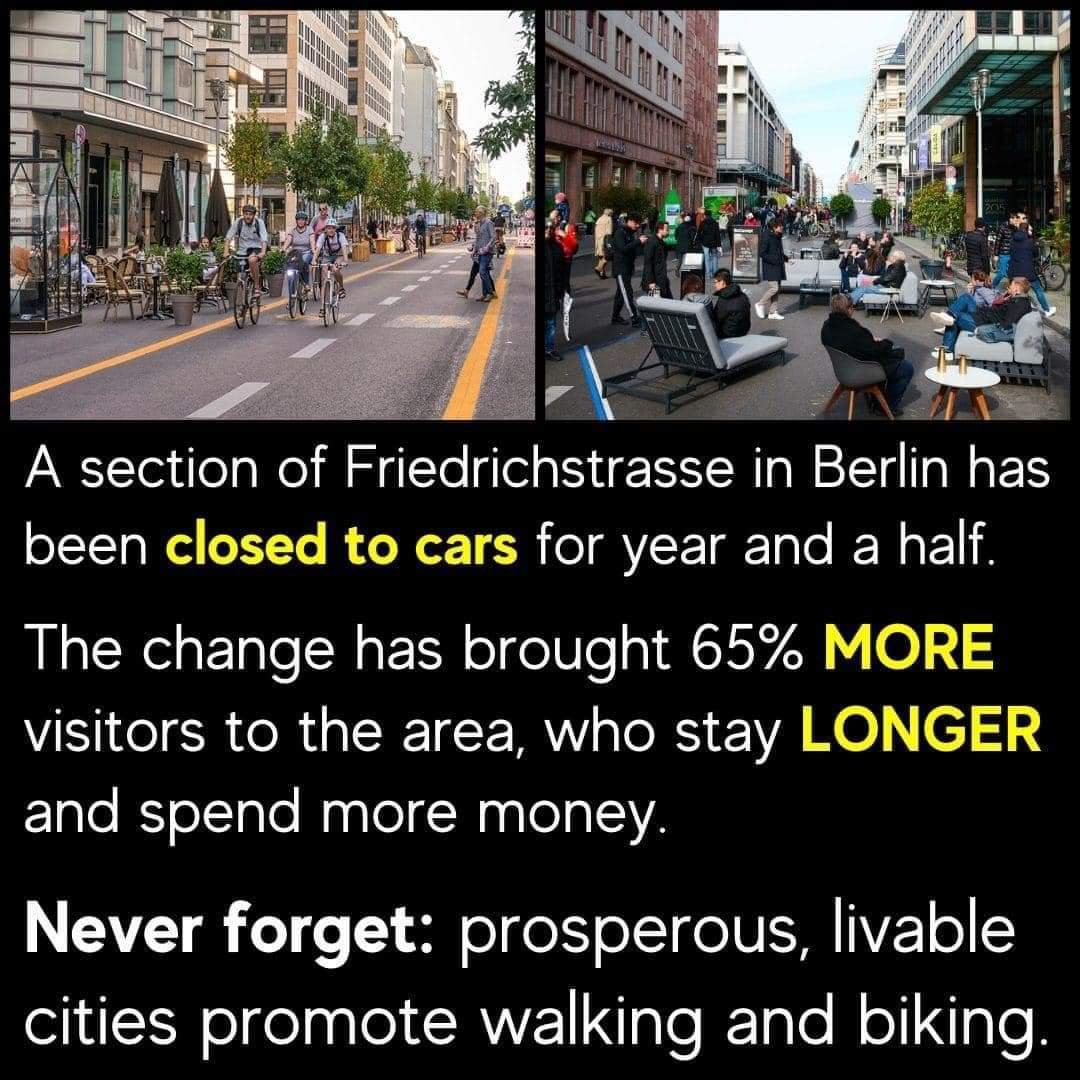
Barcelona car free superblocks
The city with the highest car density is transforming into a green pearl along the mediterrean sea. Since the 80´s we have seen a huge transformation of this once ugly, highly polluted, industrial harbour city into a genuine urban oases of livability and quality of life.
Paris redefining the Champs Elysees
An historical location known for its traffic chaos in Paris is now being redesigned to host art, nature, recreation and health. The introduction is in French but it shows the steps that the mega city is taking to make it a livable and dynamic environment. Not quite a sustainocracy yet but a few steps closer.
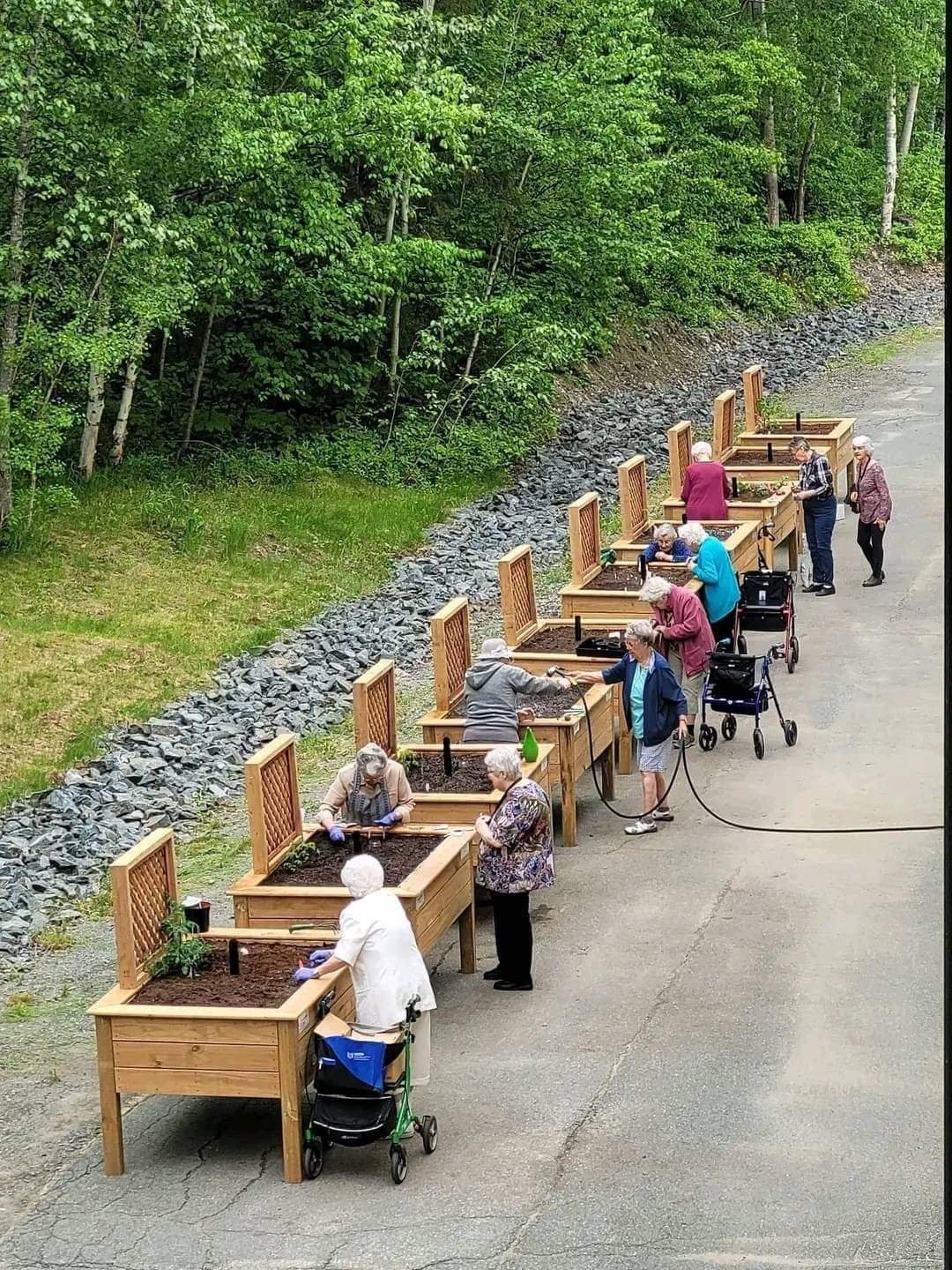
City Micro Farming
Increasingly food is being produced in the cities, close to and involving the consuming people. Our own FRE2SH program is inspiring people accross the world to initiate such processes.
7 principes for building cities (Peter Calthorpe)
We at Sustainocracy tend to agree with many the views of Peter Calthorpe on city design. The only difference is that we place them specifically into a human values centered context. We introduce the participation society around our five core natural human values as a shared responsibility. This makes a city more than a set of infrastructures. It brings a city alive with an identity, authenticity and interactive citizenship, 4 x WIN entrepreneurship and facilitating governance. The city becomes a self sustaining eco-system that has a rich and dynamic inner life and a symbiotic relationship with its surroundings.
The words that trigger city development now are “participation”, “shared responsibilities” and our “core natural values”, such as health and safety, with a much broader meaning of each of these two words then what we were used to. Developing our basic needs in community based districts is key and only briefly mentioned in this video. But still the video is a good basis that can be enhanced with Sustainocratic tables and development clusters.
Our own required actions to extend our own “expiration date” as a species on our wonderful planet.
The first thing we need to do is stop relying on political and financial structures to solve our problems. These structures have been based historically on the use of human and material capital for their own financial and authoritative positioning. Most of the problems that we face in the world are caused by these structures and our own delegation of responsibilities. This does not mean that there are not many people in leadership positions doing their best. They face a type of DNA of these organisations that limit their options. To change this we need to look at ourselves, as human beings, to re-establish our core natural values and shared responsibilities. We can then help restructure the DNA of our institutions to become instrumental to human and planetarian wellness.
Taking responsibility again ourselves in 4 steps:
Here is a list of actions that we can develop ourselves and invite others (including institutions) to participate.
Establish local 4 local food communities
Food is not a commodity, it is a shared responsibility
This Urban Design Forum issued a set of recommendations for city councils to facilitate urban food community development.
The STIR Foundation, together with worldwide partners, initiated a global FRE2SH learning platform around re-designing our resilient food systems. We open up the dialogue around inspiring outdoor and indoor examples and techniques that colaborate with nature. You can participate in the program

Start taking care for each other again intergenerationally in communities that share housing, space and responsibilities
By developing again our communities we break with our individualism and start sharing our responsibilities and basic needs again. From a financial perspective individualisation was great, as everyone was stimulated to fullfill their individual needs in dependence of the financially structured services and dominance. From a sustainable progress point of view it was deadly since the first natural human need is the social cohesion, the community. In a community the basic needs such as care, food, water usage, energy usage, etc, can be regeneratively optimized in close cooperation with our natural environment.

Reduce our exorbitant energy usage by 70% or more
The main energy that we need as a biological living species comes from our food and the sun, not from the electricity plugs at home or a petrol station along the road. Our excess usage of energy can be found in our mechanized mobility, industrialized productivity, logistic systems, the many devices used in our homes for lighting and entertainment, our heating and cooking facilities, etc.
By developing our needs around local for local structures we can eliminate many energy wasting and highly polluting activities while optimizing our remaining requirements through clean resource management. Also community based living reduces our energy requirements due to the sharing of needs over groups of people. The related reduction of pollution will enhance our health and healthy living environment, reducing our healthcare needs and related infrastructures or bureaucracies.

Develop and accept only 4 x WIN institutions (multiple values driven, regenerative and non polluting governments and business enterprises) as supportive, non abusive instruments for human development.
Look at 4 x WIN here
Institutional DNA (In the 21st century: purpose and positioning in a 4 x WIN ecosystem) transformation is only possible when the entire institutional ecosystem transforms at the same time. This is done when we as human influencers put new demands on these structures. Instead of competing for financial, human and material resources (1 x WIN mentality, leaving the consequences to society, the planet and future generations, if any remain left) they start cooperating in core human values driven co-creation platforms. Money is not a main issue anymore, it is just a means, just like creativity, engagement, applied innovation, impactful applied knowledge, etc. The main issue and driving force is our shared and sustainable wellness in close cooperation with our natural environment. 4 x WIN is a mentality of shared responsibilities for human, societal, environmental welbeing and financial continuity (not necessarily growth).


How to stop narcissism spreading across the world
Natural human values as a universally shared responsibility for peace and progress
Today we had the opportunity to listen to the story of Wiecza Santos, a lawyer and human rights activist from Venezuela. She arrived in Eindhoven through the global Shelter City program. This provides people like her a place to stay in a peaceful environment to come to rest for a few months and have the opportunity to tell her story without risking her live.
This the story of Venezuela…..that caused 7 million people to flee the country and has most of the country is extreme poverty. A beautiful country with wonderful people, according the words of love, with tears in her eyes, of Wiecza. The country is destroyed by narcissism. And it is not alone in it. Narcissism is spreading causing totalitalism, human inquality, poverty, suffering, etc.


The question is: How can we help people like Wiecza? How can we help humanity that suffers from narcissism, dictators and their collaborators? How can we create a way that allows the international community to interfer when human rights are seriously and systematically violated. How can we create a way to justify people in general to defend our core natural human values, such as safety in broadest sense of the word. Safety representing not only physical integrity but also respect for people, cultures, our environment, life in general and above all the citizen´s ability to fullfill their own basic needs without hierarchical impediments. Such core natural human values are our shared responsibility. They cannot be delegated to political or business hierarchies. They are human essencials for sustainable development and progress. Hierarchies are to comply as much as we do as human individuals towards each other.
When one human being suffers humanity suffers. We all share the responsibility to take care of eachother from a core human values perspective.
If we do not then we put our own safety at risk due to the streams of refugees, the human suffering and mismanagement that we allow directly or indirectly.
Our international systems of law and politics do not mingle with the internal affairs of other countries, no matter how badly they are governed from a humanitarian perspective. And, as mentioned in the video, the current democratic voting system enhances despotism, especially when there is a lot of poverty that is made dependent of vital resources managed by those in power. In our money dependent reality this dependence has become a common fact and hence an easy feeding ground for manipulation and the growth of narcissism in business and politics. Human rights are then negelected out of political or financal interests that keeps these people in power. It equally makes the international community powerless due to its own rules.
Human rights issues in Venezuela have been recognized by the United Nations Human Rights Council. The council has issued a resolution for investigation of human rights violations in Venezuela. This has been extended already once until Sept. 2022. But what will happen if these violations are officially recognized? We have seen, through other long term conflictive countries, that the instruments available, such as sanctions, hit mostly the poor again and often empower the dictators even more as they victimize themselves. So not much can be expected from that.
Universal natural human values and shared responsibility
Accepting our core natural human values (health, safety, awareness, basic needs) not just as a right but also as a shared responsibility to enhance and protect, does give us the means and justification to interfer. When health is in jeopardy due to natural disasters or other problems we already have operational means to help nations out. But when safety is at stake we don´t, simply because we have not leveraged safety to the level of our shared humanitarian responsibilities. This is difficult because the political hierarchies that normally have to take such decisions are infested with such power hungry structures that want to avoid at all time such potential interference. It is therefor not up to hierarchies to adopt such agreements but we as human beings together. A core human values manifest in which we declare this common and shared responsibility at human level, extended to the institutional levels as a consequence. We do not only help build our constitutions and systems of law around those values but we also behave accordingly by creating communities among each other. And we demand from our functional hierarchies their compliance as instruments for human wellness, not human deterioration or suffering.
Like this we help people like Wiecza. Instead of fighting the suppression we unite the shared responsibility locally and internationally by building safety based communities and bring those who disturbe it to justice. This is also democracy, one based on our shared values, not on our forced and blackmailed dependence. We base our reality on our natural right to build communities around self sufficiency. No government or dictator can take that away from us nor feel safe from international interference.
Most of our international interactions will be dealt with through the open dialogue and diplomacy at institutional level and cooperation at human level. But when safety is at stake for millions of people we cannot hang back and wait. It is an equally shared responsibility to take corrective action. Key is to determine for ourselves the threshholds when dialogue is not delivering human respect anymore and interference is necessary. Tools like our core human values, 4 x WIN institutional governance, acceptance of our right for self sufficiency, etc are key to establish the corrective forces.
 Sustainocracy, the new democracy