Home » Posts tagged 'Uganda'
Tag Archives: Uganda

Uganda refugee camp reviews sustainocracy
The review was made in his own words by Jonathan Ngangura, young leader, community builder and entrepreneur in Nakivale, Uganda.
Sustainocracy: A Model for Empowering Refugee Communities in Uganda
Sustainocracy, with its emphasis on ecological integrity, social equity, and economic sustainability, offers a compelling framework for improving the lives of refugees in Uganda. While challenges abound, the principles of sustainocracy can be adapted to empower refugee communities, enhance their resilience, and foster long-term well-being.
Key Impacts:
- Enhanced Food Security:
- Community Gardens: Sustainocracy encourages community-led initiatives like organic gardens, which can significantly improve food security, reduce reliance on external aid, and promote healthy eating habits.
- Sustainable Agriculture: Exploring techniques like permaculture and agroforestry can enhance food production while minimizing environmental impact.
- Improved Health and Sanitation:
- Access to Clean Water: Implementing sustainable water management systems, such as rainwater harvesting and improved sanitation facilities, can significantly improve public health.
- Renewable Energy: Access to renewable energy sources like solar power can improve access to lighting, cooking, and refrigeration, enhancing living conditions and reducing reliance on polluting fuels.
- Empowerment and Self-Reliance:
- Skill Development: Sustainocracy emphasizes skill development and vocational training, empowering refugees with the skills necessary for self-employment and sustainable livelihoods.
- Participatory Decision-Making: By involving refugees in decision-making processes related to camp management and service delivery, sustainocracy fosters a sense of ownership and empowers communities to take control of their own destinies.
- Environmental Protection:
- Waste Management: Implementing community-based waste management systems, including composting and recycling programs, can minimize environmental impact and reduce pollution.
- Conservation Efforts: Promoting awareness and engaging refugees in environmental conservation efforts can help protect the natural resources upon which the camp and surrounding communities depend.
Challenges and Considerations:
- Limited Resources: Securing adequate resources for implementing sustainable initiatives within refugee camps can be a significant challenge.
- Security Concerns: Issues like security, protection, and the potential for conflict can hinder the development of stable and sustainable communities.
- External Dependency: Over-reliance on external aid can hinder the development of self-reliance and community-led solutions.
Moving Forward:
Despite these challenges, the principles of sustainocracy offer a valuable framework for improving the lives of refugees in Uganda. By fostering community ownership, promoting environmental sustainability, and empowering refugees to take control of their own destinies, we can create more just and resilient communities within refugee settings.
Key Recommendations:
- Invest in Community-Led Initiatives: Prioritize funding and support for refugee-led initiatives, such as community gardens and renewable energy projects.
- Promote Skill Development: Expand access to vocational training programs and support refugee-owned businesses.
- Strengthen Participatory Governance: Increase refugee participation in decision-making processes related to camp management and service delivery.
- Address Environmental Concerns: Implement comprehensive waste management systems and promote environmental awareness within refugee communities.
By embracing the principles of sustainocracy, we can create a more just and equitable future for refugees in Uganda, empowering them to build resilient and sustainable communities.
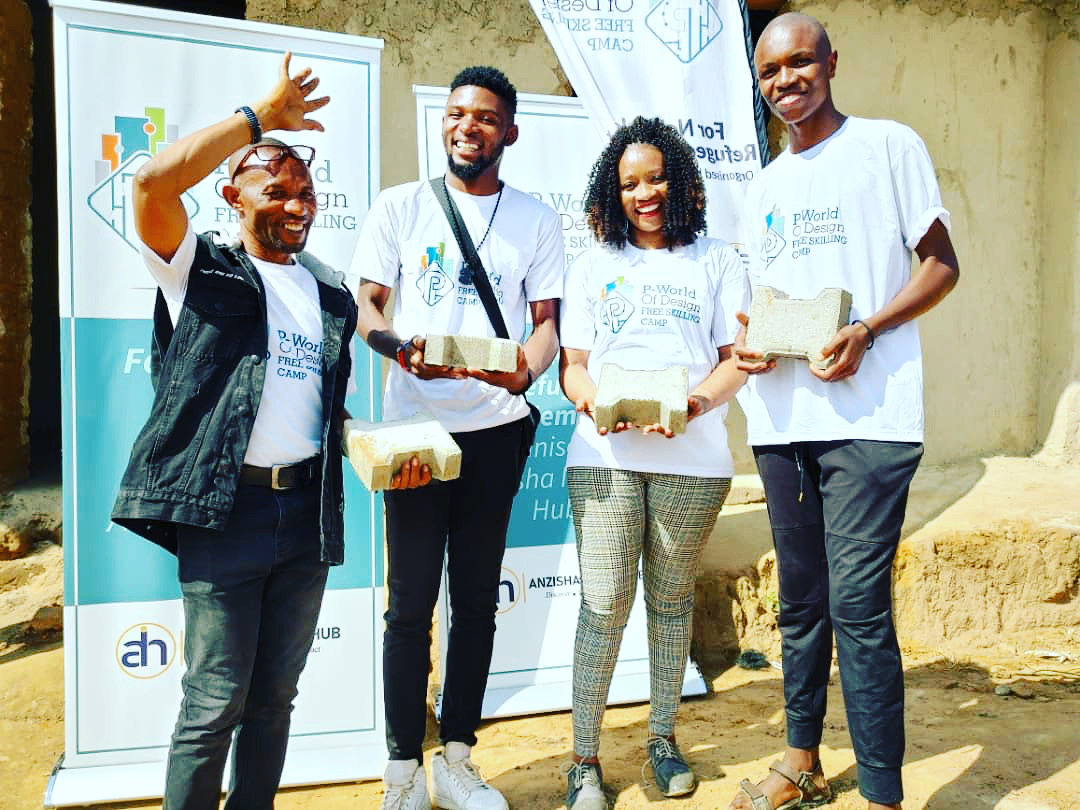
Impact of applying Sustainocracy
Today I received the following message from Uganda.
Nakivale Refugee Settlement, Uganda: Sustainocracy Impact
*3,000+ refugees benefited from sustainable agriculture training
*500+ children enrolled in vocational programs
*80% reduction in water-borne diseases
*90% increase in community-led initiatives
Empowered refugee leaders, improved social services, and enhanced resilience.
In a refugee camp, where financial poverty reigns, people depend on each other. But if there is no engagement leadership this hardly happens. And leadership needs to be empowered, not by hierarchical subordination but through methods of empowerment of their surroundings. With the set of core human values as a shared responsibility, the division of tasks (input) and the sharing of the output, becomes a valuable glue to form society. A society based on community spirit, leadership in terms of common wellness objectives, learning together and stimulating local solution driven creativity.
In the Western world, in which all the societal functions got strongly economized, fragmented and politized, the Sustainocratic approach can have equal benefits and many more. They however need to deal with the fragmented interests and established unsustainable public comforts that have grown over time. In the process of overcoming them we see benefits in terms of social cohesion, significant health improvement, less societal costs, improved mental health, increased creativity and innovation, elimination of poverty and individualism, etc. But these benefits are only experienced after the letting go process of the economic growth push of politics, the transformation of comforts and engagement of citizens and 4 x WIN adaptation of business entities. Not an easy task as a voluntarily driven process, avoiding the involuntary dramas of crises and recessions. Human tendency is to stick to its comforts until they break. Showing the benefits may get a percentage of society to engage and become a positive and evolutionary example for others to follow. Cudos to Nakivale in Uganda for being such an example.


Refugee community in Uganda starts own food production
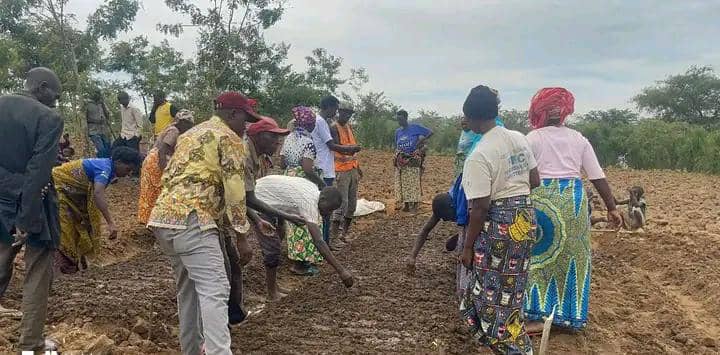
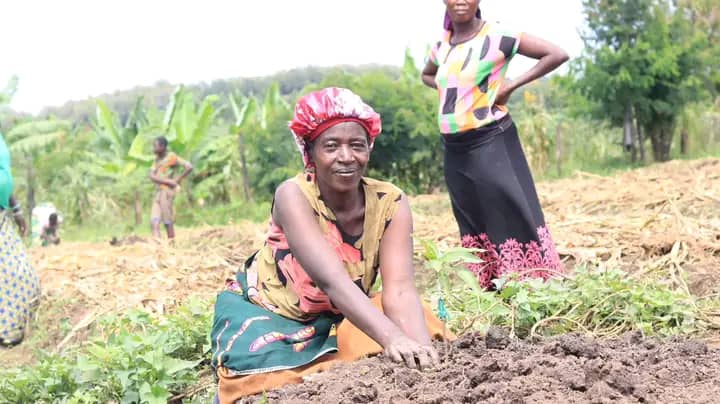
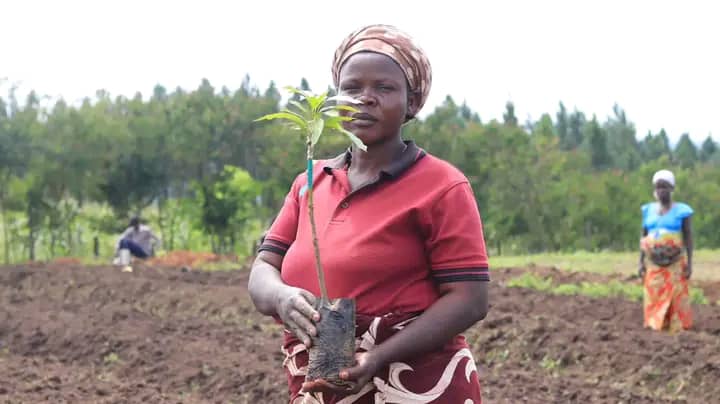
Food is known as a community builder. At the side of food preparation and consumption the kitchen has traditionally been the family place to meet, talk, interact, help or simply be. In many cultures the food related activities take many hours and are the kernel of family or community life. In Uganda, the people in the Nakivale refugee settlement, asked their government for a few fields in which to develop their own food. The local government granted them the use of nearby fields for a period of 10 years including the option to buy them as property. Gradually local people started to get motivated to join the cultivation team. International foundations, such as STIR, try to help with small amounts of money, acquired through GoFund (link here), to allow the community to purchase materials, seeds and even water. We also provide online advice, as FRE2SH, on how to develop a local economy, providing recognition and fair sharing methods for those that invest time and energy in the cultivation process. We are pleased to see how many people are gathering and developing the food community.


 Sustainocracy, the new democracy