Home » Posts tagged 'responsibility' (Page 25)
Tag Archives: responsibility
Videopitches: rural challenges
During our CreatiVelo tour, to collect videopitches around the power of local initiatives, we arrived also at the village of Eersel. Eersel is a large rural municipality near Eindhoven that consists of an conglomerate of 6 neighboorhoods spread throughout the countryside. The local soil was harsh. Agriculture was difficult and poverty was enormous in the old days. Over time the region developped economic drivers in the field of intensive cattle holding for the worldwide supply of meat. A side effect of such activities is pollution and possible health risks. Other pollutors in the region are the local airport, the main road (A67) and the rural households themselves with firestoves, bbq, lots of cars for conmuting with jobs, etc.
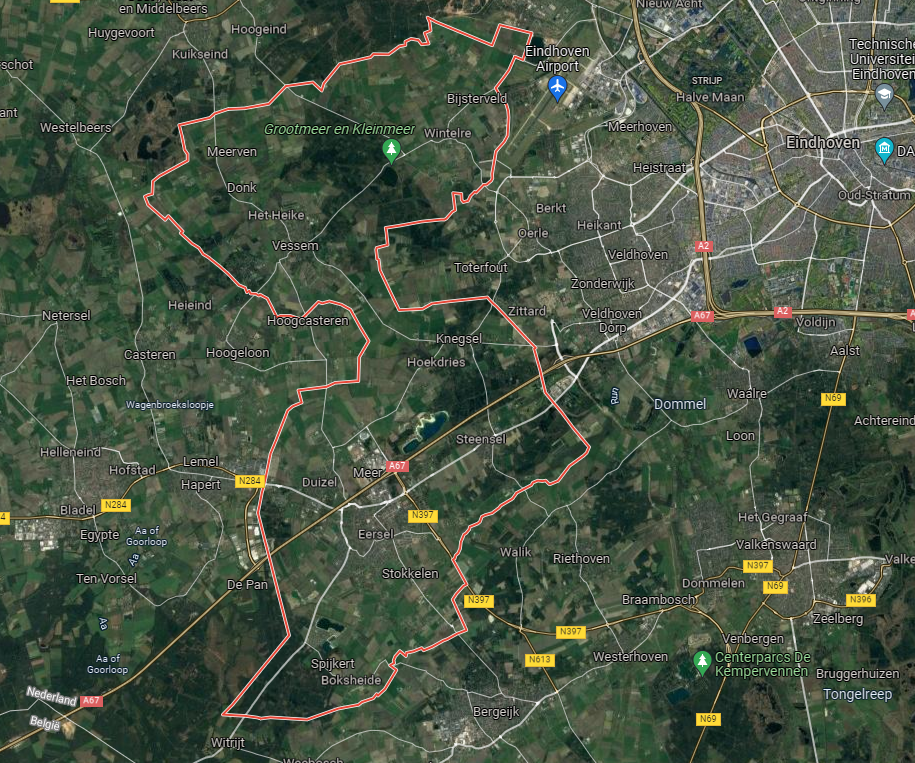
From a climate and health perspective this region has its own transformative challenges. Powerful citizen initiatives have stood up to measure air quality, to lobby against the growth of the airport and cooperate with the local government on the other complex challenges and transitions at hand. We interviewed local alderman Eric Beex. In many countries we see a movement of people towards rural villages because of the perspective of quality of life. Healthy air, community feeling, countryside, safe environments for the children, online facilitaties for working from home, costs of living, are all triggers for families to move away from the city.

Video pitches about sustainable human progress: learning
The evolution of learning
Niels van Maaren is lecturer and researcher at Fontys University of Applied Sciences in Eindhoven. He tells us about his integration of the SDGs (Sustainable Development Goals of the United Nations) in his lecturing. “Big deal”, you may say but it is a highly significant move. In our own School of Talents & Wellness we started to work together with the scholing system already 10 years ago by adding the sustainocratic topics of core natural human values and shared responsibility. This is so significant because it gives the students an extra dimension of shared responsibility, awareness and creativity. Their study is placed in context of the huge challenges that we face as humankind. The young people are challenged to use this new contextual framing to come up with new ideas by themselves. It does not matter what they choose to study, everything can be placed into the servant context for humankind, society and our planet. They don’t come to school anymore with the expectations of a job in the future, learning theories from a book. They now come to school to think of meanful 4 x WIN contributions to the world and themselves.
This also transforms the job of the educators. In the past they would be classroom professors working their way through the pages of a book. They would expect the students to memorize the theory for their exams. The cognitive senses of the students would be stimulated, not the need for processing into genuin understanding. With the addition of the SDGs (or in our case the core natural human values) the students to need to process their knowledge or lack thereof. Many start with the understanding of the challenge and then start looking at the available resources to do something in a creative way. They start looking at information in an applied way. Information becomes alive in the context that can be personalized to the personal environment of the student him or herself. Next to the cognitive interpretation an emotional sense of meaning is added, generating an impuls of self reflection and self study.
The lecturers transform into expert coaches, sources of information, valuable support and mentorship. Students become more demanding, communicative, voicing their desires, their needs, their insecurities and doubts. They become magicians that surprise the world through creativity and new insights, even their mentors. And that is what it is all about. To hold space for unprecedented innovation without prejudism, just open stimulus. It says “Fontys for Society” and Niels shows how this is done.
One minute video inspirations on sustainable human progress: food
Foodforest
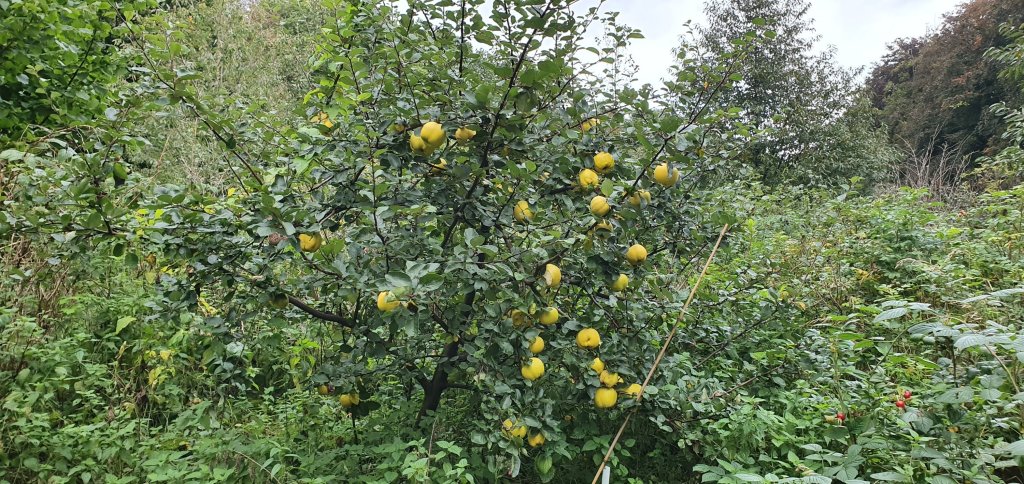
Meet Maartje Kreike. She is pioneering with the foodforest in Eindhoven. On a large surface nature and human beings have been working together since 2009 from a food and remedial perspective, learning about the advantages of nature in a broad context. The objective is to integrate nature more and more into the neighborhoods for both awareness and local self sufficiency in our basic needs. Maartje tries to explain the nutricious and medical values of a certain herb to worldwide documentary maker, Joerg Altekruse. Maartje organizes workshops, does presentations, invites school children, works together with locals and caterers, etc.
A food forest provides abundance of nutrition for a population without the need to destroy the plants, the soil or the eco-system. On as many as 7 levels food can be obtained. In addition other life forms can collaborate to provide even additional sources, such as chickens, eggs, insects, honey, etc. The food forest is partner in the sustainocratic City of Tomorrow and FRE2SH network of transformative, resilient food initiatives in and around town.




 Sustainocracy, the new democracy