Home » Posts tagged 'health' (Page 6)
Tag Archives: health

Food forests, a solution for exterme drought
It is disturbing to see that we need severe global climate crises to bring common sense to our food system. Today a Dutch paper headed: Food forest is the solution for the extreme drought. Amazing that for decades we have cut half the world´s tree population for single crop food, biofuel, animal food production. All for the sake of a political financial dominance, creating world dependence or deadly poverty where there was regional food resilience before. It is causing massive climate disturbance, water shortages alternating with servere and devastating floods, hunger in the world, destruction of natural habitats and food supplies for local people. And now suddenly “food forests are THE solution“! Shame on global greed.
One of the most active countries in restoring their tree population is China. Their approach has been as industrial as their economy. On the other hand it shows commitment and a huge amount of lessons to learn.
In our online OSFD discussion this month, about re-storing our food resilience, we dealt with our natural right to be self sufficient as communities. This is only possible if our habitats are not destroyed by the industrial capitalist monsters of single crop productivity. It will not be long before such practices will be fought in court and it is only a matter of time until they are criminalized. Again, it is absurde that we need to go to court to defend our right to live in harmony with our planet.
Our FRE2SH cooperative approach is to bring all stakeholders (citizens, farmers, government, science) to the table together. The mission is to restore our regional resilience by working together with the laws of nature for our food, water, health and safety. We leverage food to the level of shared responsibility instead of a commercial and speculative commodity.
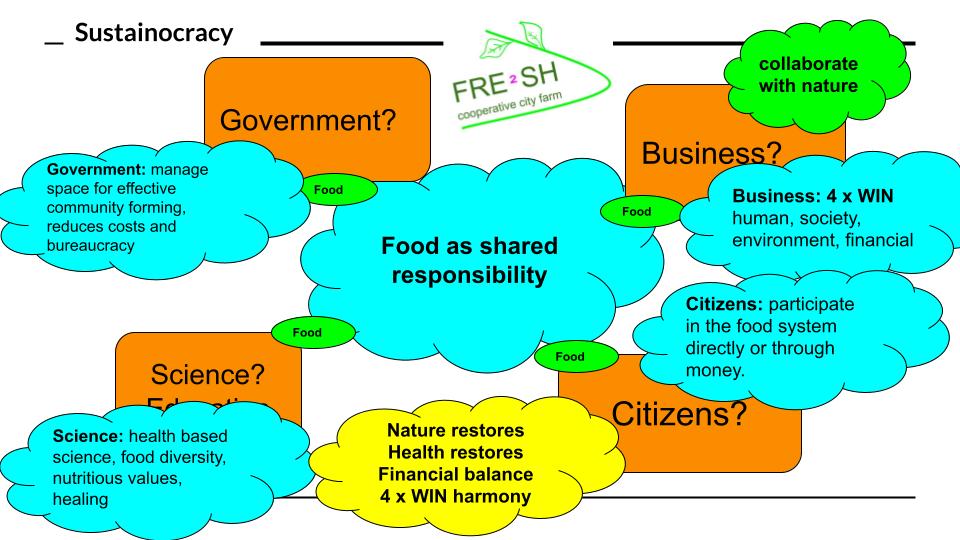

Sustainocracy for world Peace and Progress
During the world Jazz concert, organized by peace ambassador Ukpeme Okon, in Abuja Nigeria on July 9th, 2022, the follow text was shared with the public locally offline and online through YouTube streaming (02:08:22 ….):
“Our Core Human Values such as our health, safety and the regional self fulfillment of our basic needs (healthy food, water, air and warmth) are essentials for our sustainable existence as a natural species on our planet Earth. They stand above political and financial interests. By taking responsibility together (people and institutions alike) for these essentials we redefine our societies, our relationships, the design of our cities and our partnership with our natural environment. Peace and Progress can hence be enjoyed and celebrated together. From Eindhoven in the Netherlands we invite the world to take this at heart and together enjoy this wonderful concert as a musical expression of our core values driven togetherness.”
Jean-Paul Close – STIR Foundation / founder

Cities are massively redefining their functions
When we look at the development and evolution of cities we can observe an era of intense changes. While the organic growth of urban centers has historically been motivated by defense against external aggression, trade and later industrial activities, nowadays cities develop around quality of life and services. For a long time city management was conditioned by urban growth factors, building infrastructures and facilitation business dynamics. This determined the look and feel of the places, often at the expense of pollution, traffic based collapsed infrastructures, waste development, criminality, ghettos, etc. They were the playing ground of financial lobbiest, industrial giants, logistic trade lables, real estate developers and speculants, and underground activities of drug dealers, financial criminals, etc. Expensive bureaucracy, police and other measure developed to manage this dark side of city explotation.
Brave leadership nowadays is producing a massive turnaround that is motivated by a new era in which awareness of certain key responsibilities have penetrated all layers of society. Things that were held for impossible a few decades ago are now florishing in certain municipalities as a modern age example of sustainable progress. We are still living in between the two realities but the new one, the healthy, participatory, environmental friendly one, is manifesting itself with great determination and growth. Gradually urban environments can become Sustainocracies.
Jean-Paul Close
Some examples on social media:

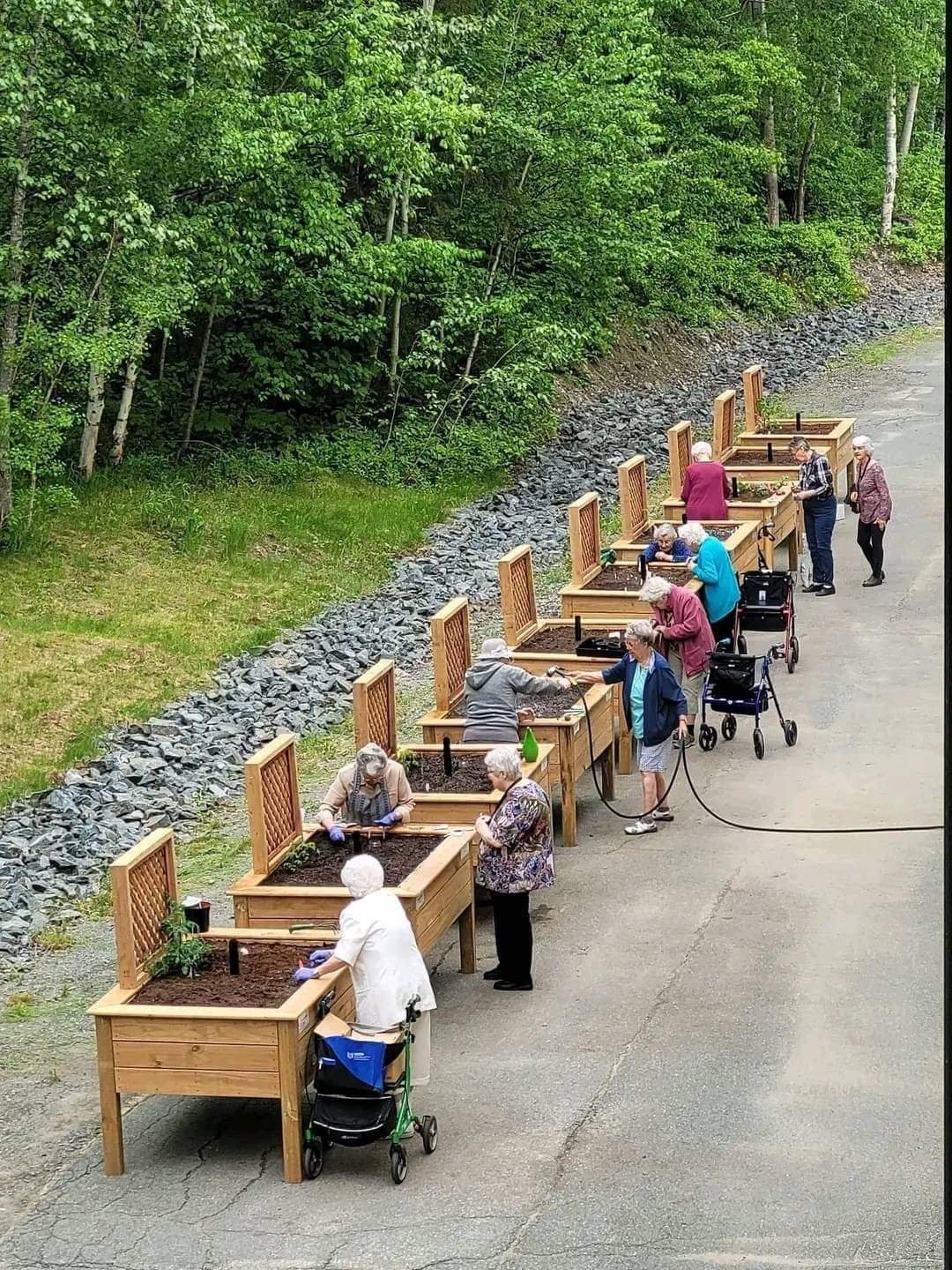
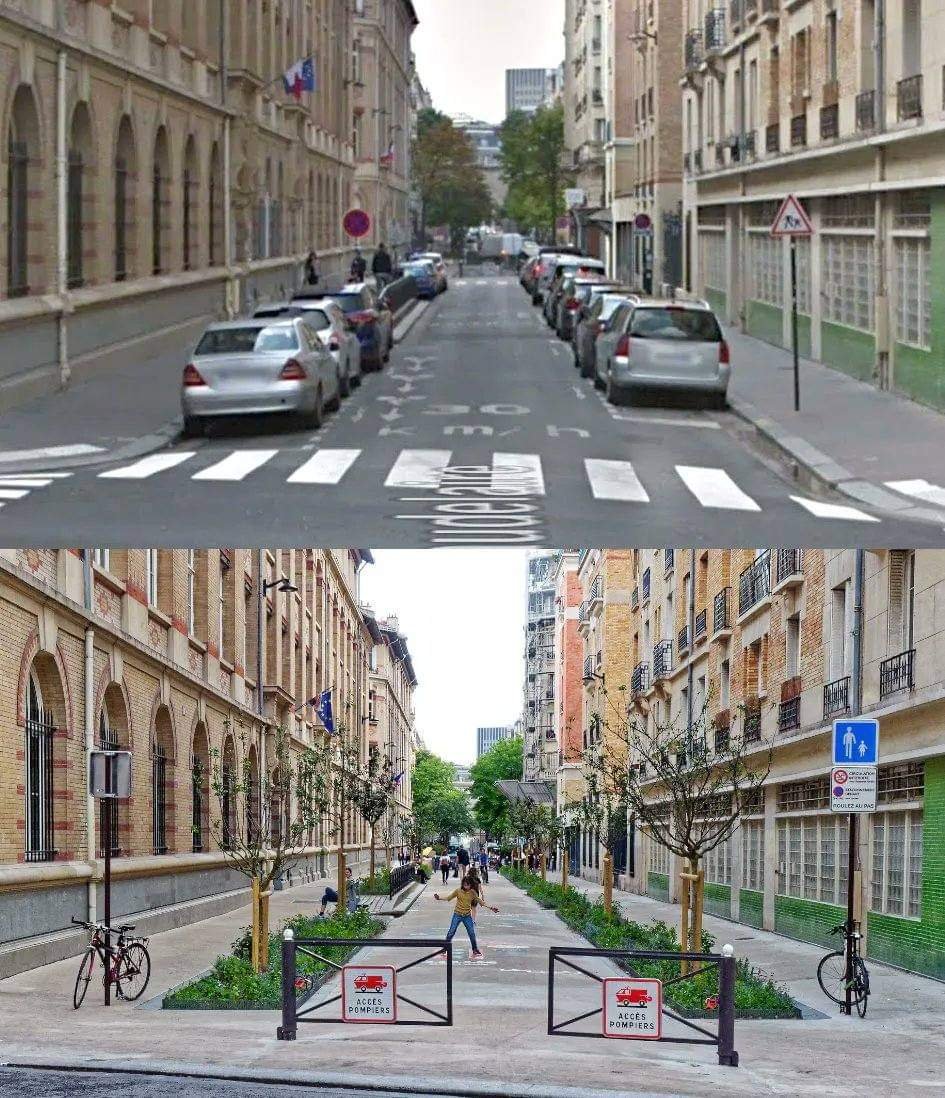
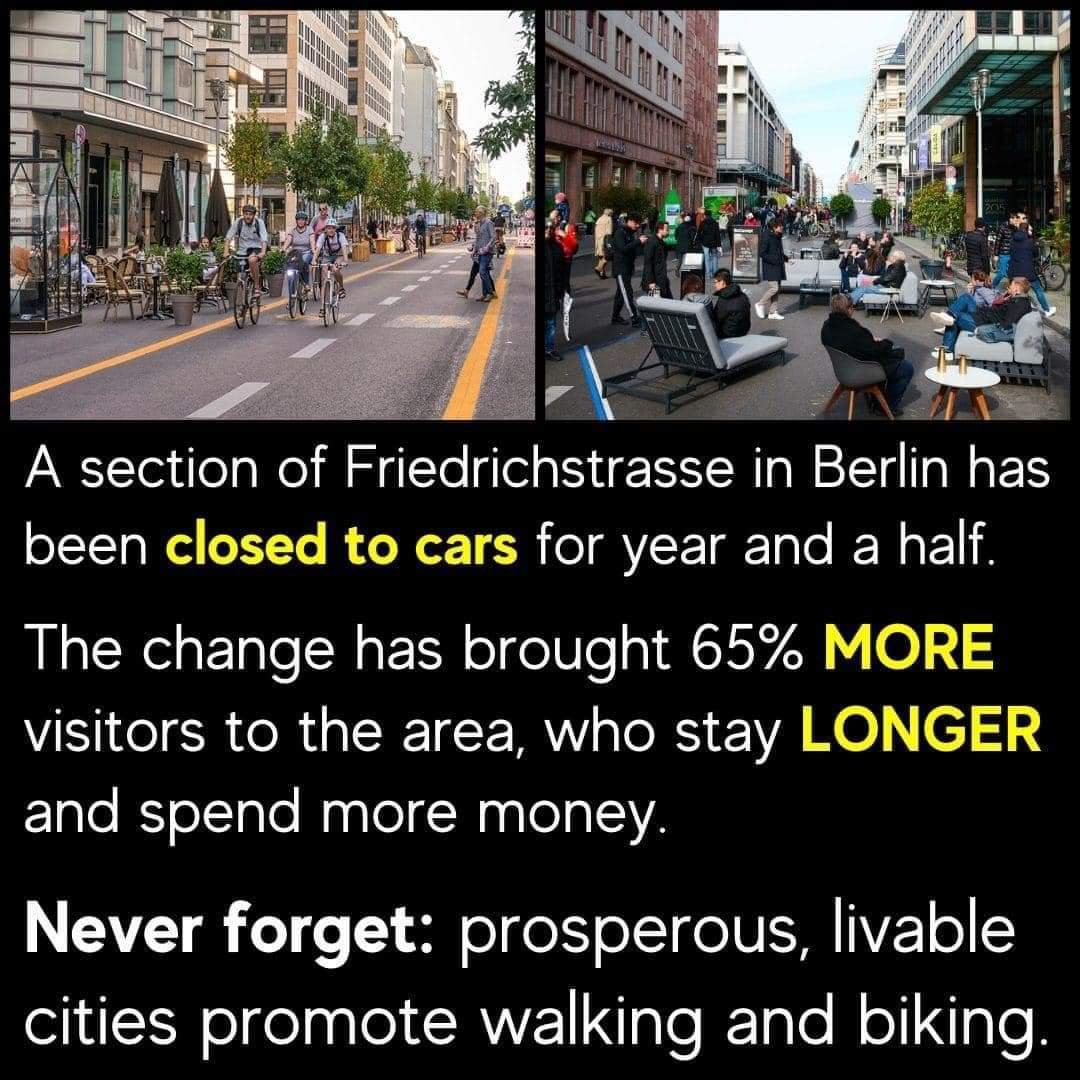
Barcelona car free superblocks
The city with the highest car density is transforming into a green pearl along the mediterrean sea. Since the 80´s we have seen a huge transformation of this once ugly, highly polluted, industrial harbour city into a genuine urban oases of livability and quality of life.
Paris redefining the Champs Elysees
An historical location known for its traffic chaos in Paris is now being redesigned to host art, nature, recreation and health. The introduction is in French but it shows the steps that the mega city is taking to make it a livable and dynamic environment. Not quite a sustainocracy yet but a few steps closer.
City Micro Farming
Increasingly food is being produced in the cities, close to and involving the consuming people. Our own FRE2SH program is inspiring people accross the world to initiate such processes.
7 principes for building cities (Peter Calthorpe)
We at Sustainocracy tend to agree with many the views of Peter Calthorpe on city design. The only difference is that we place them specifically into a human values centered context. We introduce the participation society around our five core natural human values as a shared responsibility. This makes a city more than a set of infrastructures. It brings a city alive with an identity, authenticity and interactive citizenship, 4 x WIN entrepreneurship and facilitating governance. The city becomes a self sustaining eco-system that has a rich and dynamic inner life and a symbiotic relationship with its surroundings.
The words that trigger city development now are “participation”, “shared responsibilities” and our “core natural values”, such as health and safety, with a much broader meaning of each of these two words then what we were used to. Developing our basic needs in community based districts is key and only briefly mentioned in this video. But still the video is a good basis that can be enhanced with Sustainocratic tables and development clusters.
 Sustainocracy, the new democracy